

6 Best Pool Mats For Durability That Resist Tearing
Find the best pool mats built to last. Our guide reviews 6 durable, tear-resistant options designed to withstand heavy use and harsh chlorine exposure safely.
Nothing ruins a perfect day at the lake faster than watching your expensive floating mat start to shred under the weight of a busy afternoon. Investing in a high-quality, tear-resistant mat is the difference between years of reliable fun and a frustrating waste of money. These six options represent the gold standard for durability, ensuring your gear survives everything from rough play to rocky shorelines.
Disclosure: As an Amazon Associate, this site earns from qualifying purchases. Thank you!
Aqua Lily Pad: The Ultimate Tear-Resistant Mat
The Aqua Lily Pad is widely considered the industry benchmark for a reason. It utilizes a proprietary cross-linked polyethylene foam that is specifically engineered to resist punctures and abrasions. If you have a large group or active kids who are constantly jumping and running, this is the heavy-duty solution you need.


Because of its multi-layer construction, it maintains structural integrity even after seasons of heavy use. While it carries a premium price tag, the longevity of the material makes it a smart long-term investment. If you want the most reliable mat on the market that won’t succumb to tears, this is the one to buy.
Rubber Dockie 18-Foot Floating Water Pad

The Rubber Dockie stands out because of its unique "Tuff-Hide" outer membrane. This coating is designed to protect the inner foam core from the sun’s UV rays and the physical friction of being dragged across a dock or boat deck. It effectively seals the foam, preventing the surface cracking that often leads to larger tears.
This mat is perfect for families who frequently transition between the lake and the boat. The added layer of defense makes it incredibly resistant to the wear and tear associated with constant movement and storage. It is an excellent choice if you prioritize surface protection and long-term durability over a minimalist design.
SOWKT Floating Water Mat With Rip-Stop Mesh
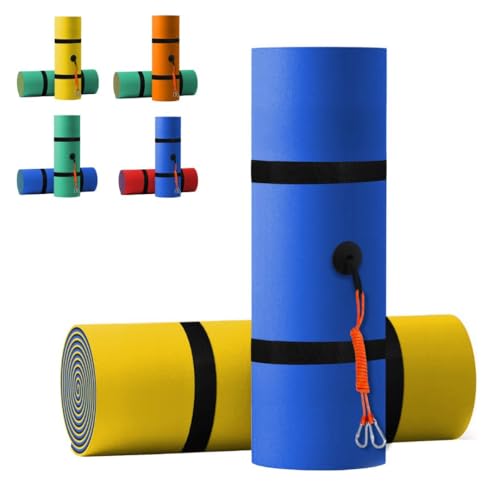
The SOWKT mat takes a different approach by integrating a tear-resistant inner mesh layer between the foam sheets. This "rip-stop" technology is a game-changer; even if the outer foam layer receives a small nick, the mesh prevents that cut from spreading across the entire mat. It is essentially a safety net for your investment.
This design is ideal for those who are worried about sharp objects like shells or rocks near the shoreline. You get the buoyancy of foam with the structural reinforcement of a high-tensile material. If you tend to be hard on your gear, the SOWKT’s reinforced core is your best insurance policy.
Big Joe Water Pad for Enhanced Durability

Big Joe is a household name for a reason, and their water pad focuses heavily on high-density foam that resists compression. When foam compresses too much under weight, it becomes brittle and prone to tearing. This mat stays firm and resilient, maintaining its shape even after hours of supporting multiple people.
It is a fantastic option for those who want a blend of comfort and ruggedness. While it might feel slightly stiffer than cheaper foam mats, that density is exactly what prevents it from ripping under pressure. For a reliable, no-nonsense mat that handles heavy traffic, Big Joe is a top-tier contender.
O’Brien Water Carpet for Heavy-Duty Usage

O’Brien has a long history in water sports, and their Water Carpet reflects that engineering expertise. This mat is designed for high-performance, meaning it can handle the stress of being towed at low speeds or anchored in choppy water. Its high-density, multi-layer foam is fused to prevent delamination, which is the most common cause of mat failure.
This is the mat for the serious water recreation enthusiast who treats their gear like a piece of equipment rather than a pool toy. It is built to endure the elements and the rigors of frequent transportation. If you need a heavy-duty mat that won’t fail when the conditions get rough, the O’Brien is the gold standard.
Floating Oasis Premium 3-Layer Foam Mat

The Floating Oasis utilizes a 3-layer system where each layer serves a specific purpose in the durability equation. The outer layers are toughened to resist surface damage, while the central layer provides the necessary flexibility to absorb impact. This sandwich construction makes it significantly harder to tear than single-sheet foam options.
This mat is best suited for those who want a balance of comfort and strength. It feels softer underfoot than the more rigid mats, yet it doesn’t compromise on tear resistance. If you want a mat that feels luxurious but can still take a beating, the Floating Oasis is a perfect middle-ground.
Choosing Durable Materials for Pool Mats
When shopping for a mat, look for terms like "cross-linked polyethylene" or "closed-cell foam." These materials do not absorb water, which prevents them from becoming waterlogged and heavy—a major cause of structural stress and tearing. Avoid cheap, open-cell foams that break down and crumble after only a few months of exposure to pool chemicals or lake water.
Always consider the density of the foam before purchasing. A mat that feels "squishy" is likely to tear easily under the weight of an adult. Prioritize mats that offer reinforced layers or protective outer skins, as these features drastically increase the lifespan of your gear.
Proper Cleaning to Prevent Material Tearing
Cleaning your mat isn’t just about aesthetics; it’s about removing debris that can act like sandpaper. Small grains of sand or grit trapped on the surface can cause micro-abrasions that eventually turn into full-blown tears. Rinse your mat with fresh water after every use to ensure no abrasive particles remain.
Avoid using harsh chemical cleaners, as they can degrade the foam’s protective UV coating. A simple mixture of mild dish soap and water is sufficient to keep the mat clean. By keeping the surface free of debris and chemical buildup, you maintain the material’s elasticity and prevent premature cracking.
Seasonal Storage Tips for Foam Pool Mats
Storage is where most mats meet their untimely end. Never store your mat in direct sunlight during the off-season, as UV radiation is the primary culprit for foam breakdown and brittleness. Always roll your mat tightly and secure it with the included straps to prevent it from unfurling and getting caught on objects.
If possible, store your mat in a cool, dry place like a garage or basement. Keep it elevated off the ground to prevent pests from nesting in the foam. Proper seasonal storage ensures that when the first warm day of spring arrives, your mat is ready for the water, not falling apart at the seams.
Repairing Minor Tears in Floating Mats
If you do find a small tear, don’t panic—it doesn’t mean the mat is ruined. You can use a dedicated foam repair kit or a high-quality, marine-grade adhesive to seal the cut. Make sure the area is completely dry and clean before applying any sealant to ensure a strong bond.
For larger tears, consider using a patch of matching material, which many manufacturers provide or sell separately. Once the adhesive has cured, the mat will often be just as strong as it was before the tear. Acting quickly on small nicks prevents them from expanding into significant damage that could eventually compromise the entire mat.
Investing in a durable, tear-resistant floating mat is the best way to ensure your summer days remain stress-free. By choosing a high-quality product and maintaining it with proper cleaning and storage, you can enjoy these mats for many seasons to come. Pick the one that fits your group’s activity level, and get back to enjoying the water with confidence.
