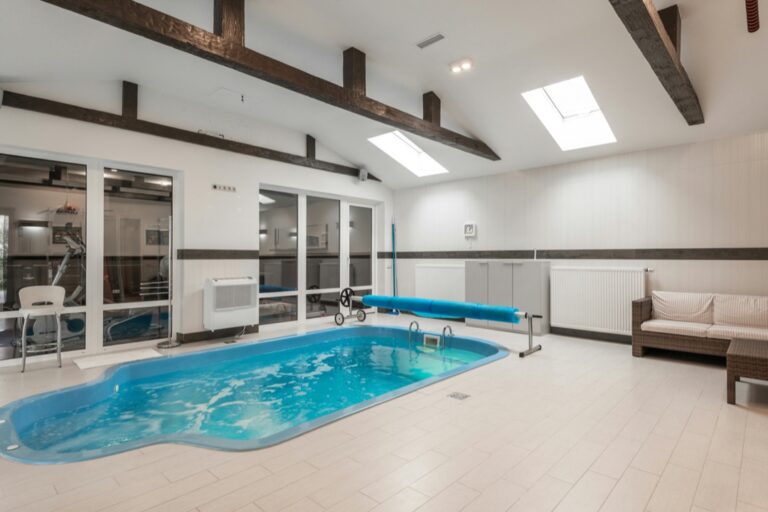
6 Best Pool Water Conditioners For Soft Water Owners
Soft water can be corrosive to pool equipment. Discover our top six conditioners to balance chemistry, protect your surfaces, and ensure a safer swim season.
Maintaining a crystal-clear pool is a rewarding challenge, but soft water owners often find themselves fighting a constant uphill battle against rapid chemical depletion. Without the right stabilization, the sun’s UV rays can incinerate your chlorine levels in a matter of hours, leaving your water vulnerable to algae blooms. Finding the right conditioner is the secret weapon to locking in your sanitization efforts and keeping your pool inviting all season long.
Disclosure: As an Amazon Associate, this site earns from qualifying purchases. Thank you!
Understanding Soft Water Pool Chemistry Needs
Soft water is characterized by a low concentration of minerals, specifically calcium and magnesium. While this feels luxurious on the skin, it creates a "hungry" water environment that is inherently more corrosive and volatile than hard water. Because soft water lacks a natural mineral buffer, your pool’s pH and alkalinity levels can swing wildly, making it difficult for sanitizers to do their job effectively.
When you add chlorine to a soft water pool, it doesn’t have the mineral "anchor" it needs to stay stable. This is where pool conditioner, also known as cyanuric acid or stabilizer, becomes non-negotiable. It acts as a shield, preventing the sun from breaking down your chlorine, effectively extending the lifespan of your sanitizer so you aren’t constantly dumping chemicals into the water.
Why Pool Conditioners Matter for Soft Water
Think of a pool conditioner as a sunscreen for your chlorine. Without it, you are essentially pouring money down the drain every time the sun hits the surface of your water. In soft water environments, where chemical stability is already fragile, a lack of stabilizer leads to expensive "chlorine lock" or constant, frustrating algae outbreaks.
By maintaining the proper level of cyanuric acid—typically between 30 and 50 parts per million—you create a protective bond with your chlorine. This allows your sanitizer to work consistently throughout the day rather than burning off in the morning heat. Investing in a quality conditioner isn’t just about water clarity; it’s about protecting your pool equipment from the corrosive nature of unbuffered soft water.
In The Swim Pool Stabilizer: Best Overall


If you want a reliable, no-nonsense product that gets the job done without any gimmicks, this is your go-to. It is highly concentrated, which means you won’t need to haul heavy buckets back and forth to the pool deck to reach your target levels.
This stabilizer is perfect for the homeowner who values consistency and efficiency over fancy packaging. It dissolves at a predictable rate, making it an excellent choice for those who prefer to add chemicals through the skimmer. If you want a dependable, industry-standard product that rarely disappoints, this is the one to keep in your shed.
Leslie’s Pool Conditioner: Best for Purity

Purity matters when you are dealing with sensitive, soft water chemistry. Leslie’s is widely respected for its high-grade formulation, which minimizes the risk of introducing unwanted contaminants or impurities into your pool.
This product is the ideal choice for pool owners who are meticulous about their water quality and want to avoid any potential clouding issues. Because the formula is so clean, you can trust that it won’t interfere with your other chemical balances. If you have a high-end pool or are particularly sensitive to water additives, the extra peace of mind provided by this purity makes it worth the investment.
Clorox Pool&Spa Stabilizer: Best Solubility
Make your chlorine last longer with Clorox® Pool&Spa™ Stabilizer. It protects chlorine from sunlight, reducing the need for frequent applications and is ideal for saltwater pools.

One of the biggest frustrations with stabilizers is waiting for the granules to disappear. Clorox has engineered their stabilizer to be exceptionally soluble, meaning it spends less time sitting at the bottom of your pool and more time protecting your water.
This product is specifically designed for the busy pool owner who wants to treat the water and get back to swimming as quickly as possible. The fast-dissolving nature reduces the risk of granular buildup on your pool liner, which is a common concern for many. If you hate the chore of brushing undissolved chemicals off your pool floor, this is your best solution.
Rx Clear Pool Stabilizer: Best for Value

We all know that pool maintenance can get expensive, especially when you are buying chemicals in bulk. Rx Clear offers a fantastic balance between performance and affordability, making it a staple for those who have larger pools that require frequent treatments.
You don’t have to sacrifice quality to save a few dollars with this brand. It performs just as well as the premium options, provided you follow the dosage instructions carefully. If you are looking to stretch your budget without compromising on the health and safety of your water, Rx Clear is the smartest choice for your wallet.
BioGuard Stabilizer 100: Best Performance

When you need a product that delivers precise results every single time, BioGuard is the professional’s choice. This stabilizer is formulated for maximum efficacy, ensuring that your chlorine remains protected even during the hottest, sunniest weeks of the summer.
This is the product for the "pool enthusiast" who treats their water like a science experiment. It is incredibly stable and predictable, allowing you to fine-tune your chemical levels with confidence. If you have had trouble with other brands failing to hold your chlorine levels steady, switching to BioGuard is the best way to regain control of your pool chemistry.
HTH Pool Care Stabilizer: Best Availability

Sometimes, the best product is the one you can actually find on the shelf when you have an emergency. HTH is a household name for a reason, and their stabilizer is available at almost every big-box store and hardware shop in the country.
Convenience doesn’t mean you’re getting a subpar product; HTH is a solid, reliable performer that works well for the average backyard pool. It is easy to find, easy to dose, and gets the job done without any complicated procedures. For the homeowner who prefers to pick up supplies while doing their weekly errands, this is the most practical option.
Application Tips for Soft Water Pools
- Pre-dissolve when possible: While some products are designed for the skimmer, dissolving stabilizer in a bucket of warm water first can help prevent it from settling in your filter system.
- Check your pH first: Always balance your pH and alkalinity before adding stabilizer, as soft water can cause these to fluctuate once you introduce new chemicals.
- Circulation is key: Ensure your pump is running for at least 24 hours after application to allow the stabilizer to fully disperse throughout the entire pool volume.
- Don’t over-stabilize: Aim for the 30–50 ppm range; adding too much stabilizer can actually "lock" your chlorine, making it ineffective even if your test kit shows high levels.
Monitoring Your Pool Water After Treatment
Applying the conditioner is only half the battle; you must monitor your water chemistry in the days following the treatment. Use a high-quality test kit or digital reader to ensure your cyanuric acid levels have reached the target range without overshooting. Remember that soft water is dynamic, so keep a close eye on your pH levels, as these will often shift slightly after adding chemical stabilizers.
By keeping a simple log of your chemical additions, you can identify patterns and predict when your pool needs a top-up. If you notice your chlorine levels dropping faster than usual, it’s a sign that your stabilizer may have been diluted by heavy rain or backwashing. Stay proactive, stay consistent, and your soft water pool will remain a refreshing oasis throughout the season.
Mastering the chemistry of a soft water pool is a skill that pays off in every refreshing dip you take. By choosing the right stabilizer and staying diligent with your monitoring, you can keep your water pristine and your chlorine working exactly as it should. Enjoy the peace of mind that comes with a perfectly balanced pool, and remember that consistent, small efforts are the key to a worry-free summer.