

7 Best Swim Wetsuits For Warmth for Cold Open Waters
Conquer frigid swims with our top 7 wetsuit picks. We analyze thermal insulation, flexibility, and fit to help you stay warm and perform in cold open waters.
There is nothing quite like the crisp, invigorating shock of a cold-water swim to awaken your senses and clear your mind. However, the line between a refreshing dip and a dangerous situation is thin, making the right gear your most critical training partner. This guide explores the best wetsuits designed to keep you warm, safe, and efficient when the temperature drops.
Disclosure: As an Amazon Associate, this site earns from qualifying purchases. Thank you!
Understanding Cold Water Safety and Thermal Needs
Cold water immersion triggers an immediate physiological response known as the cold shock response, which can cause involuntary gasping and rapid heart rate. A high-quality thermal wetsuit does more than just keep you comfortable; it acts as a vital barrier against hypothermia by trapping a thin layer of water between your skin and the neoprene.
When choosing a suit, consider the water temperature and your personal tolerance. Neoprene thickness is measured in millimeters, with thicker panels (like 5mm) providing more warmth and buoyancy, while thinner panels (like 2mm or 3mm) offer the flexibility needed for a natural swim stroke. Always prioritize a snug, hydrodynamic fit, as excess water flushing through the suit will rapidly negate any thermal benefits.
Roka Maverick MX: Best Overall for Thermal Comfort
The Roka Maverick MX is the gold standard for swimmers who refuse to let a plummeting thermometer dictate their schedule. It utilizes a sophisticated blend of neoprene thicknesses that prioritize core warmth without sacrificing the rotational freedom required for a long-distance stroke.
I recommend this suit for the dedicated endurance swimmer who spends significant time in the water and needs a versatile, high-performance piece of gear. If you want a suit that feels like a second skin while providing professional-grade insulation, the Maverick MX is your best investment.
Orca Openwater RS1: Top Choice for Buoyancy
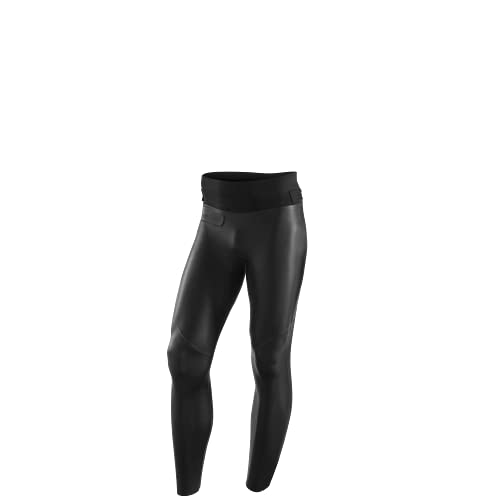

If you struggle with body position in choppy, cold water, the Orca Openwater RS1 is designed to keep you high and stable. Its unique construction emphasizes buoyancy, which not only helps with energy conservation but also keeps your chest and core warmer by reducing the amount of surface area exposed to the elements.
This is the perfect choice for open-water swimmers who prioritize stability and safety over pure, unadulterated speed. If you often feel like you are "sinking" during long swims, the added lift provided by this suit will be a total game-changer for your confidence.
Xterra Wetsuits Vortex: Best Value for Beginners
The O'Neill Reactor-2 3/2mm wetsuit offers exceptional value for water sports with its easy-entry back zip and ultra-stretch neoprene for superior flexibility. Seamless paddle zones enhance mobility, while wind-resistant smoothskin provides added warmth.

The Xterra Vortex is widely regarded as the most accessible entry point into high-quality open-water gear. It provides a balanced level of warmth and flexibility that won’t overwhelm a novice swimmer, making it an excellent choice for those just beginning their cold-water journey.
You should choose the Vortex if you are looking for reliable performance without the premium price tag. It is a durable, no-nonsense suit that proves you don’t need to spend a fortune to gain the thermal protection necessary for safe, enjoyable swims in local lakes or bays.
Blueseventy Thermal Reaction: Elite Cold Protection
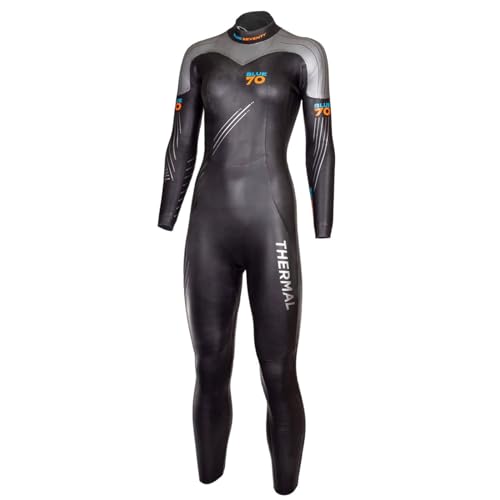
When the water hits the lower end of the thermal spectrum, the Blueseventy Thermal Reaction stands out for its specialized internal lining. This suit features a Zirconium jersey liner that acts like a thermal blanket, significantly increasing heat retention without adding the bulk of extra neoprene.
This suit is tailored for the swimmer who frequently tackles late-season or early-spring conditions. If you hate the feeling of teeth-chattering cold, the advanced lining technology in this model makes it a non-negotiable choice for your gear bag.
Huub Aegis III: Best Flexibility in Cold Water
Many thermal suits feel stiff, but the Huub Aegis III manages to maintain an impressive range of motion even with its thicker panels. Its design focuses on the "3:5" buoyancy ratio, which lifts the lower body while keeping the upper body agile enough to prevent shoulder fatigue.
This is the suit for the competitive swimmer who needs to maintain a high stroke rate in cold conditions. If you find that other thermal suits make you feel restricted or slow, the Aegis III offers the perfect compromise between warmth and athletic mobility.
Zone3 Aspire Thermal: Superior Heat Retention
The Zone3 Aspire Thermal takes the legendary fit of the standard Aspire model and adds a specialized heat-tech fleece lining. This lining is incredibly effective at trapping body heat, making it one of the warmest options available for its weight class.
I recommend this suit for swimmers who prioritize warmth above all else but still want a sleek, race-ready profile. It is a sophisticated piece of equipment that excels in environments where the air is cold and the water is biting, ensuring you stay focused on your stroke rather than the temperature.
2XU P:1 Propel: Best Suit for Stroke Efficiency

The 2XU P:1 Propel is designed for the swimmer who wants to maximize every pull. Its SCS (Super Composite Skin) coating reduces drag significantly, while the internal structure provides enough warmth to keep your muscles supple during long, cold-water sessions.
This suit is ideal for the athlete who views open-water swimming as a technical pursuit. If your goal is to maintain a high-efficiency stroke while staying protected from the chill, the P:1 Propel will help you maintain your pace even as the water temperature begins to dip.
Essential Tips for Wetsuit Care and Maintenance
Proper care is the difference between a suit that lasts five seasons and one that degrades after a single year. Always rinse your wetsuit thoroughly with fresh, cool water after every swim to remove salt, chlorine, and organic debris that can break down the neoprene. Never use hot water, as it can damage the specialized adhesives and the elasticity of the material.
When drying, keep your suit out of direct sunlight, as UV rays are the primary enemy of neoprene. Hang it on a wide, padded hanger in a cool, shaded area, and turn it inside out once the exterior is dry to ensure the lining moisture evaporates completely. Never leave your suit folded in a damp bag, as this is a breeding ground for mold and odors.
Layering Strategies for Extreme Cold Conditions
For those truly frigid days, a wetsuit alone might not be enough to prevent core temperature drops. Consider adding a neoprene swim cap, which prevents significant heat loss through the head, or wearing two caps for extra insulation. Neoprene gloves and booties are also essential, as they protect your extremities, which are the first areas to lose circulation in cold water.
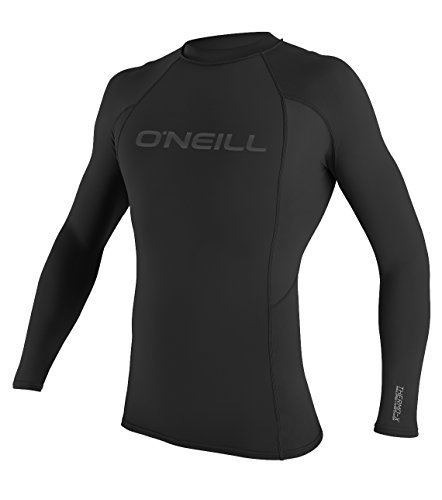
If the conditions are exceptionally harsh, some swimmers opt for a base layer of thermal rash guard underneath their suit. Just ensure that your base layer is thin and form-fitting to avoid creating gaps that could allow cold water to circulate. Remember, if you find yourself shivering uncontrollably or losing dexterity in your fingers, it is time to exit the water immediately, regardless of your gear.
Investing in a high-quality thermal wetsuit is the most effective way to extend your swimming season and ensure you remain safe in challenging conditions. By selecting the right suit for your specific needs and maintaining it with care, you can turn cold water into your favorite training ground. Stay warm, swim smart, and enjoy the unique tranquility that only open-water swimming can provide.
