

6 Best Swim Jackets For Cold Water For Open Sea Swimmers
Stay warm in chilly seas with our top 6 swim jackets. We analyze thermal insulation, fit, and buoyancy to help you find the best gear for open water comfort.
There is nothing quite like the crisp, invigorating bite of open water when the air temperature begins to plummet. While the ocean may look inviting, cold water demands respect and the right equipment to keep your core temperature stable. Choosing a high-quality swim jacket is the single most effective way to extend your season and ensure your safety during those chilly morning sessions.
Disclosure: As an Amazon Associate, this site earns from qualifying purchases. Thank you!
Understanding Cold Water Safety and Gear Needs
Cold water swimming is a test of endurance that requires more than just mental fortitude; it requires physical protection against the rapid onset of hypothermia. When your skin hits cold water, your body triggers a "cold shock" response, causing involuntary gasping and an increased heart rate. A swim jacket acts as a vital buffer, slowing the rate of heat loss and providing the buoyancy needed to maintain a comfortable stroke.
Beyond warmth, gear choice dictates your mobility in the water. You need a jacket that seals tightly enough to prevent excessive water flushing—where cold water constantly replaces the warm layer trapped against your skin—without restricting your shoulder rotation. Balancing thermal retention with hydrodynamic freedom is the primary challenge every open sea swimmer faces.
Zone3 Neoprene Swim Jacket: Best Overall Pick
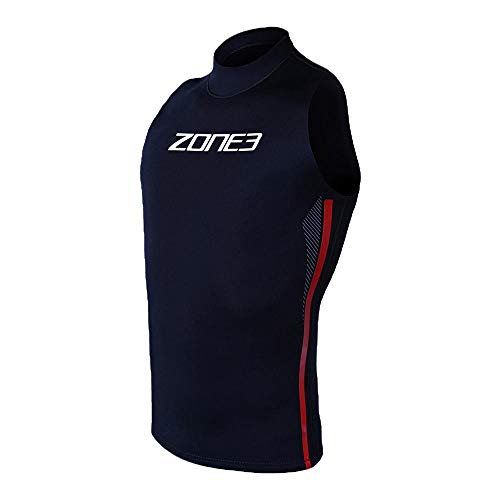

The Zone3 Neoprene Swim Jacket is the gold standard for swimmers who want a reliable, all-around performer that doesn’t compromise on quality. It features a thoughtful blend of 2mm and 3mm neoprene, which places thickness where you need heat and thinner material where you need flexibility. The construction is robust, and the fit is designed to mimic a high-end wetsuit, making it an excellent transition piece for those not ready to commit to a full-body suit.
I recommend this jacket for the swimmer who splits their time between early spring lake sessions and late autumn coastal swims. It offers a perfect middle ground that won’t leave you feeling sluggish or constrained during longer workouts. If you want one piece of gear that handles 80% of your cold-water needs with ease, this is the jacket to buy.
Orca Openwater Jacket: Top Thermal Insulation

When the water temperature drops toward the lower limits of what is considered safe for recreational swimming, the Orca Openwater Jacket is your best defense. This piece is engineered with a focus on maximum thermal retention, often utilizing thicker neoprene panels and specialized linings that trap heat more effectively than standard neoprene. It is built to keep you in the water longer when others are forced to head for the shore.
This jacket is specifically designed for the "cold-water purist" who refuses to let a drop in temperature dictate their schedule. While it may feel slightly more restrictive than thinner alternatives, the trade-off in warmth is invaluable during mid-winter swims. If your primary goal is to stay warm at all costs, the Orca is the clear winner.
Blueseventy Thermal Vest: Best for Flexibility

The Blueseventy Thermal Vest is a masterclass in minimalist design, prioritizing a natural swimming stroke above all else. By focusing on core warmth while leaving the arms completely unencumbered, it allows for a high-cadence stroke without the drag or shoulder fatigue often associated with thicker neoprene jackets. It is the ideal choice for swimmers who find traditional jackets too bulky or restrictive.
This vest is perfect for those who are already comfortable in moderately cold water and just need that extra bit of core insulation to stay out for an extra twenty minutes. It isn’t the warmest option on this list, but it is undoubtedly the most comfortable for high-intensity training. If your stroke technique is your priority, choose this vest.
Huub Varme Neoprene Top: Premium Heat Retention
The Huub Varme Neoprene Top stands out because of its advanced material technology, which is designed to be both incredibly thin and surprisingly warm. Huub has a reputation for pushing the boundaries of wetsuit design, and this top benefits from that innovation by offering a streamlined, "second-skin" fit. It effectively minimizes water entry, which is the secret to staying warm in challenging conditions.
This is a premium piece of kit for the swimmer who wants top-tier performance and doesn’t mind investing in quality. It performs exceptionally well in choppy, open-sea conditions where a bulky jacket might catch the wind or water. If you want a professional-grade feel that keeps you warm without the "marshmallow" effect, the Huub Varme is your top choice.
Xterra Velocity Jacket: Best Value Selection
The Xterra Velocity Jacket proves that you don’t need to break the bank to get a high-quality piece of cold-water gear. It provides excellent insulation and a secure fit at a price point that makes it accessible for beginners or those building out their first cold-water kit. It features a reliable zipper system and durable seams that hold up well over repeated use in salt water.
This jacket is ideal for the recreational swimmer who wants to test the waters of cold-weather training without a massive financial commitment. It provides all the essential features—buoyancy, insulation, and durability—without unnecessary bells and whistles. For those looking for the best bang for their buck, the Xterra is an easy recommendation.
Desoto T1 First Wave: Best for Long Swims
The Desoto T1 First Wave is a unique two-piece system that offers unparalleled versatility for long-distance swimmers. By separating the top from the bottom, you avoid the common issue of a single-piece suit tugging at your shoulders as the miles accumulate. This design allows for a more customized fit, ensuring that your core stays warm while your movement remains completely fluid.
This setup is the go-to for endurance athletes who spend an hour or more in the water at a time. The ability to adjust the top independently of the bottoms is a game-changer for long-distance comfort. If you are training for a long-distance challenge and need gear that won’t chafe or restrict you over time, the Desoto T1 is the gold standard.
Selecting the Right Neoprene Thickness Levels
When shopping for swim jackets, you will encounter various thickness ratings, usually expressed in millimeters (e.g., 2mm/3mm). The thinner the neoprene, the more flexibility you have, but the less insulation you receive. Generally, 2mm is perfect for brisk water, while 3mm to 4mm is necessary for truly cold, winter-like temperatures.
Always look for "zoned" thickness, where the manufacturer places thicker material on your chest and back to protect your vital organs, and thinner material on the shoulders and arms. This zoning is critical for maintaining your stroke mechanics. Remember, a thicker suit is not always better if it makes your shoulders ache after only a few hundred meters.
Proper Care and Maintenance for Swim Jackets
Neoprene is a sensitive material that degrades quickly if neglected, especially when exposed to salt water and sunlight. After every swim, you must rinse your jacket thoroughly with fresh, cool water to remove salt crystals and chlorine. Never use hot water, as it can damage the neoprene’s cell structure and weaken the adhesive in the seams.
Drying your jacket is just as important as washing it. Always hang it in a cool, shaded area away from direct sunlight, which can cause the neoprene to become brittle and crack. Store it on a wide, padded hanger to prevent the shoulders from stretching out, and never leave it folded in a damp bag for extended periods to avoid mold growth.
Essential Tips for Safe Cold Water Swimming
- Acclimatize gradually: Start your cold-water journey in late summer and continue through the autumn to allow your body to adapt to the temperature drop.
- Use a bright swim cap: Visibility is non-negotiable in the open sea; ensure you are easily seen by boat traffic.
- Never swim alone: Always have a buddy or a shore-based spotter who knows your planned route and expected return time.
- Warm up slowly: Once you exit the water, avoid a hot shower immediately, as the rapid change can cause dizziness; opt for layers of dry clothing and a warm drink instead.
Safety in the open sea is about preparation and knowing your limits. If you ever feel your dexterity fading or your shivering becoming uncontrollable, exit the water immediately. Your gear is a tool, not a shield, and your own physical awareness is the most important safety device you possess.
Navigating the cold requires the right mindset and the right equipment, but once you find that balance, the rewards are immense. By selecting a jacket that fits your specific needs and maintaining it with care, you can turn the coldest months into the most rewarding ones on the water. Stay warm, stay safe, and enjoy the solitude of the open sea.
