6 Best Lake Swim Booties For Rocky Bottoms For Swimmers
Protect your feet in rocky lakes with these 6 top-rated swim booties. Discover durable, high-traction picks designed for comfort and superior underwater grip.
Stepping into a pristine mountain lake only to have your momentum shattered by jagged rocks or slimy zebra mussels is a rite of passage no swimmer wants to repeat. Finding the right pair of swim booties transforms these treacherous entry points into seamless transitions, allowing you to focus entirely on your stroke. This guide breaks down the best gear to keep your feet protected and your swim performance at its peak.
Disclosure: As an Amazon Associate, this site earns from qualifying purchases. Thank you!
Why You Need Booties for Rocky Lake Bottoms
Most lake beds are far from the uniform, sandy surfaces of a managed pool. Natural environments often hide sharp slate, broken glass, or invasive mollusks that can easily slice through soft skin, turning a relaxing swim into a painful ordeal. Protecting your feet isn’t just about avoiding injury; it’s about maintaining the confidence to explore new, untamed waters.
Beyond physical protection, booties provide essential grip on slick, algae-covered rocks. When you are navigating an uneven shoreline, the right footwear prevents slips and falls before you even hit the water. By investing in a dedicated pair of swim booties, you eliminate the hesitation that often plagues swimmers at the water’s edge, allowing for a smooth, efficient entry.
NRS Kicker Wetshoe: Best for Rugged Traction
If your local lake is characterized by steep, rocky embankments and unpredictable terrain, the NRS Kicker is your go-to choice. These shoes feature a high-traction rubber sole that bites into slippery surfaces, giving you the stability of a hiking boot with the flexibility of a water shoe. The neoprene construction is robust, standing up to the abuse of jagged rocks that would shred thinner materials.
I recommend these primarily for swimmers who have to traverse a significant distance across rough shoreline to reach deep water. They feel substantial and secure, ensuring you won’t be wincing with every step. If you prioritize durability and grip over a minimalist feel, the Kicker is the gold standard for rugged lake environments.
Speedo Surfwalker Pro: Best Lightweight Choice
The Speedo Surfwalker Pro is designed for the swimmer who wants protection without the bulk of a heavy shoe. It features a breathable, quick-drying mesh upper that prevents the "water-logged" feeling common in thicker neoprene models. The thin, flexible sole provides just enough of a barrier against sharp stones while still allowing you to feel the ground beneath you.
This is the ideal choice for someone who wants to keep their stroke mechanics as natural as possible. Because they are so lightweight, they won’t drag your feet down or feel cumbersome during a long swim. If you value minimalism and ease of movement, these are the best option for your gear bag.
Cressi Minorca Boots: Best for Ankle Support


For those who find themselves navigating loose gravel or uneven mud, the Cressi Minorca provides a higher cut that stabilizes the ankle. This added height prevents small rocks and debris from slipping inside the shoe, which is a common annoyance with low-top designs. The vulcanized rubber sole is thick enough to handle significant pressure, making them excellent for rocky lake bottoms.
These boots are perfect for swimmers who want a bit more structure and security around their joints. They are slightly heavier than other options, but the trade-off is superior protection and a snug, reliable fit. If you have sensitive ankles or often swim in areas with loose, shifting stones, the Minorca is a smart investment.
Tilos Sport Skin Socks: Best for Barefoot Feel
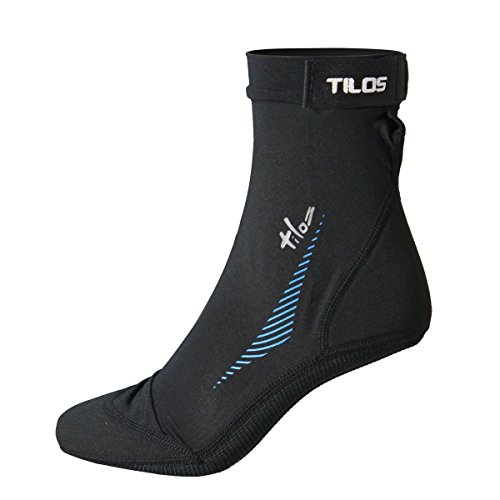
Tilos Sport Skin Socks are essentially a second skin, offering minimal protection against scrapes while maintaining the closest possible sensation to swimming barefoot. They are incredibly thin and flexible, making them perfect for swimmers who find traditional water shoes too restrictive or heavy. While they won’t stop a sharp rock from poking through, they excel at protecting skin from minor abrasions and sand.
These are best for swimmers who frequent lakes with smooth, rounded pebbles rather than jagged slate. They are also excellent as a liner inside a larger fin or shoe if you require extra warmth. If you want to keep your kick as natural as possible, the Tilos socks are the perfect middle ground.
Body Glove 3T Barefoot: Best Water Drainage

The Body Glove 3T Barefoot stands out for its unique split-toe design, which promotes better balance and natural toe splay. What makes them particularly great for lake swimming is the advanced drainage system that allows water to exit the shoe instantly. This prevents that heavy, sloshing sensation that usually occurs when you transition from walking to swimming.
I suggest these for swimmers who want a high-performance shoe that feels like an extension of their foot. The drainage is truly top-tier, ensuring the shoe stays light even after you’ve waded through a marshy or rocky entry. If you want a shoe that won’t hold you back mid-stroke, this is a top-tier contender.
Seavenger Zephyr Boots: Best for Cold Water

If you are a year-round swimmer who hits the lake even when the temperatures drop, the Seavenger Zephyr is your best friend. These boots are constructed with thicker neoprene designed to trap heat, keeping your feet insulated in chilly alpine waters. The sole is also reinforced and rugged, providing the necessary protection for the colder, often rockier entries found in mountain lakes.
These are not the lightest option, but they are unmatched for thermal protection. They provide a snug, secure fit that prevents cold water from constantly circulating against your skin. If your primary goal is to extend your swim season into the cooler months, look no further than the Zephyr.
Factors to Consider for Lake Swim Footwear
When choosing your booties, consider the specific terrain of your favorite swimming spots. A shoe that excels on smooth, rounded river stones will fail miserably on jagged, volcanic rock. Assess whether you need a thick, puncture-resistant sole or if a thinner, more flexible material will suffice for your local conditions.
- Sole Thickness: Thicker soles offer more protection but reduce ground feel.
- Drainage: Look for mesh panels or specialized ports to shed water quickly.
- Fit: A loose bootie will cause friction and blisters; ensure a snug, anatomical fit.
- Thermal Needs: Consider if you need insulation for cold-water sessions.
Don’t fall for the trap of using old gym sneakers; they become heavy, water-logged anchors that can actually pose a safety risk by dragging your feet down. Always prioritize gear specifically engineered for water, as these materials won’t degrade when exposed to consistent moisture and lake minerals.
How to Properly Fit Your Lake Swim Booties

A swim bootie should fit like a second skin without being restrictive. If the shoe is too loose, water will pool inside, creating drag and increasing the risk of painful chafing against your heels and toes. You should be able to wiggle your toes comfortably, but the heel should remain firmly in place when you move.
When trying them on, consider whether you will be wearing them with a wetsuit. If you plan to tuck your wetsuit legs into the booties, you may need a slightly larger size to accommodate the extra material. Always test the fit in a seated position, mimicking the angle of your foot while you are in a prone swimming position.
Caring for Your Gear After Open Water Swims
Lake water, particularly if it’s stagnant or contains minerals, can break down neoprene over time. After every swim, rinse your booties thoroughly with fresh, cool water to remove silt, algae, and salt. Avoid using harsh soaps, as these can strip the protective coatings and cause the neoprene to become brittle.
Always air dry your booties in the shade. Direct sunlight is the enemy of neoprene, as UV rays cause the material to lose its elasticity and crack. Store them in a cool, dry place once they are completely moisture-free to prevent mold and ensure they are ready for your next adventure.
Investing in the right pair of swim booties is the simplest way to upgrade your open water experience from frustrating to effortless. By matching the shoe’s features—whether it’s rugged grip or thermal insulation—to your specific lake environment, you ensure every swim starts and ends on solid footing. Choose gear that gives you the confidence to dive in, no matter what the shoreline looks like.