

6 Best Dock Anchors For Sandy Bottoms For Stable Mooring
Secure your boat in shifting sands. Discover the 6 best dock anchors designed for superior holding power and reliable stability in loose, sandy conditions.
Nothing ruins a perfect day on the water faster than watching your boat slowly drift toward the shoreline because your anchor failed to bite. Sandy bottoms are notoriously deceptive, offering a smooth, inviting surface that can quickly turn into a slippery failure for the wrong gear. Securing your vessel requires a nuanced understanding of bottom composition and the right hardware to handle the shifting nature of sand.
Disclosure: As an Amazon Associate, this site earns from qualifying purchases. Thank you!
Understanding Sandy Bottom Mooring Dynamics
Sandy bottoms present a unique challenge because they lack the structural resistance found in clay or mud. While sand can be incredibly firm, it is also prone to shifting under currents or wave action. If your anchor isn’t designed to bury deep, it will simply skate across the top, leaving you to drag until you hit a hazard or end up on the beach.
To master sandy mooring, you must prioritize surface area and penetration geometry. The goal is to create a vacuum effect where the weight of the sand above the anchor locks it in place. Understanding this dynamic is the difference between a relaxing afternoon on the boat and a stressful day spent constantly checking your GPS position.
Choosing the Right Anchor for Sand Conditions
When selecting an anchor for sand, look for high-fluke area and sharp, pointed tips. These features allow the anchor to dive deep into the substrate rather than just resting on the surface. Weight is important, but in sand, the shape of the anchor is the primary driver of holding power.
Consider the size of your vessel and the typical wind conditions you face. A lightweight anchor might hold in calm, shallow water, but a sudden afternoon squall will demand something with more aggressive geometry. Always err on the side of a slightly larger anchor; it’s better to have excess holding power than to wake up in the middle of the night wondering if you’re drifting.
Danforth Standard Anchor for Maximum Holding
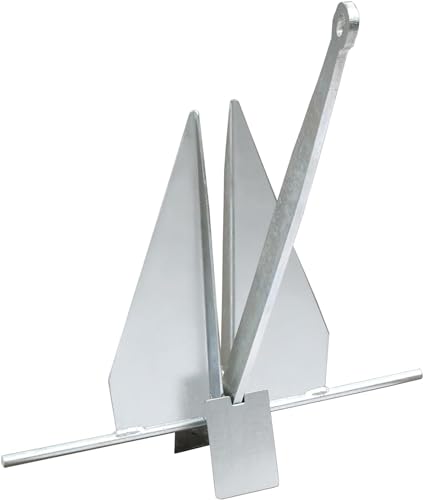

The Danforth is the gold standard for sand, and for good reason—it’s a classic design that hasn’t needed to change because it works. Its large, flat flukes act like a shovel, digging deeper the harder the boat pulls. If you’re mooring in soft or medium-packed sand, this is the anchor that provides the most peace of mind.
I recommend the Danforth for anyone who wants a reliable, no-nonsense solution that is easy to stow on a bow roller. It is particularly effective for smaller to mid-sized boats that need a high holding-to-weight ratio. If you want a proven performer that rarely lets you down in sandy conditions, this is your best bet.
Fortress FX-7 Anchor for Lightweight Utility
Get superior holding power with the Fortress FX-7 anchor. Its lightweight, rustproof aluminum-magnesium alloy design disassembles easily for convenient storage.

The Fortress FX-7 is a masterclass in modern engineering, utilizing high-tensile aluminum-magnesium alloy to provide incredible strength without the back-breaking weight. Because it’s so light, you can easily handle it during frequent anchoring maneuvers without fatigue. It sets faster than almost any other anchor I’ve seen, making it perfect for quick lunch stops.

This anchor is the ideal choice for performance-minded boaters who prioritize weight savings and ease of use. While it comes at a higher price point than traditional steel anchors, the ease of handling and superior setting speed make it worth every penny. If you are tired of wrestling heavy steel gear, the Fortress is the upgrade you need.
Lewmar Claw Anchor for Reliable Sand Setting
The Lewmar Claw is shaped specifically to reset itself if the wind or tide shifts your boat’s position. Its unique geometry allows it to roll into a biting position almost immediately upon hitting the bottom. This is a massive advantage in sandy areas where tidal currents frequently change direction throughout the day.
I suggest the Claw for cruisers who value consistency and ease of retrieval. It’s a very "forgiving" anchor that doesn’t require a perfect deployment technique to get a solid bite. If you prioritize reliability and want an anchor that will stay set even when the wind shifts, the Lewmar Claw is an excellent, dependable choice.
Mantus Marine Anchor for Superior Penetration
The Mantus anchor is designed with a sharp, heavy-duty point that slices through sand like a knife. Its design forces the anchor to bury itself completely, providing stability that feels almost like you’re tied to a concrete piling. It is hands-down one of the most aggressive anchors available for sandy bottoms.
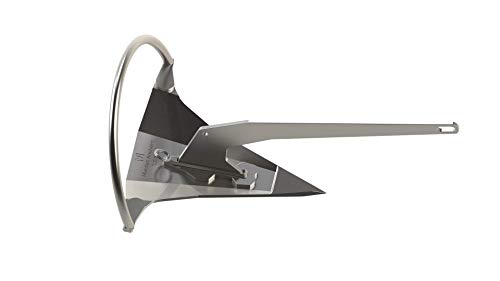
This is the anchor for the boater who refuses to compromise on safety, especially in challenging weather. It is a bit more cumbersome to store on some bow setups, but the sheer holding power is unmatched. If you want the ultimate security for your vessel in sand, the Mantus is the gold standard for modern design.
Marine Raider Fluke Anchor for Small Vessels

The Marine Raider Fluke is a budget-friendly, effective option for smaller craft like skiffs, pontoons, or light fishing boats. It utilizes the traditional fluke design to provide decent grip in sand without the bulk of heavy-duty cruising anchors. It’s simple, effective, and gets the job done for casual day trips.
This anchor is perfect for the weekend recreational boater who doesn’t need to hold in storm conditions. It is easy to store in a small locker and won’t break the bank. If your boating style is limited to calm, shallow waters and fair weather, the Marine Raider is a practical and sufficient choice.
West Marine Traditional Anchor for Stability
The West Marine Traditional anchor is a reliable, sturdy workhorse that provides excellent stability for general-purpose use. It features a classic design that balances weight and fluke area to ensure a consistent hold. It is a great middle-ground option for those who want quality without the complexity of newer, specialized shapes.
I recommend this for the boater who wants a dependable, straightforward anchor that works well in a variety of sandy environments. It is easy to maintain and built to last through many seasons of use. If you want a dependable, no-frills anchor that you can count on, this is a solid, trustworthy addition to your gear locker.
Essential Mooring Gear for Sandy Environments
- Chain Lead: Always use at least 6–10 feet of galvanized chain before your rope; it keeps the anchor shank flat on the bottom, which is crucial for a proper set.
- High-Quality Rode: Use a nylon three-strand or braided line for its natural stretch, which absorbs shock loads from waves.
- Anchor Swivel: A quality swivel prevents your line from twisting as the boat swings, keeping your setup organized.
- Anchor Marker Buoy: A small buoy helps you locate your anchor if you need to manually trip it or if someone else is anchoring nearby.
Proper Techniques for Setting Your Anchor
To set your anchor, always back down slowly to let the flukes dig in. Never just drop it and hope for the best; put the boat in reverse at a low idle to ensure the anchor is fully buried. You’ll feel the boat "tug" or "snug up" when the anchor has taken a firm hold in the sand.
Once set, use a transit—a fixed point on the shore—to verify you aren’t dragging. If you don’t feel that initial resistance, pull it up and try again; a poor set in sand is a recipe for a drifting boat. Always remember that the scope (the length of your rode relative to the depth) should be at least 7:1 for maximum safety.
Securing your vessel in sand is a skill that blends the right equipment with a bit of patience and attention to detail. By selecting an anchor that matches your boat’s size and your typical environment, you can enjoy your time on the water without the anxiety of a dragging anchor. Invest in quality gear, practice your setting technique, and you’ll find that your days on the water are far more stable and enjoyable.
