6 Best Pond Nets For Debris Removal for Clearer Water
Keep your pond pristine with our top six debris nets. Discover durable, efficient tools designed to simplify maintenance and ensure crystal-clear water today.
There is nothing quite as tranquil as a clear, thriving pond, but keeping that water pristine requires a bit of elbow grease and the right tools. Neglecting surface debris can quickly turn a backyard oasis into a murky, oxygen-deprived environment that stresses your fish and plants. With the right net in hand, you can transform a daunting weekend chore into a quick, satisfying routine that keeps your ecosystem balanced.
Disclosure: As an Amazon Associate, this site earns from qualifying purchases. Thank you!
The Importance of Pond Maintenance and Clarity
A healthy pond is a living, breathing ecosystem that relies on a delicate balance of biological filtration and manual intervention. When leaves, twigs, and grass clippings settle at the bottom, they don’t just look unsightly; they begin to decompose. This process consumes vital oxygen and releases excess nutrients, which act as a fertilizer for unwanted algae blooms.
By removing debris regularly, you are essentially preventing the "bottom muck" that clouds your water and threatens the health of your aquatic life. Consistent netting is the most effective way to keep your pond’s nitrogen cycle in check. Think of it as preventative medicine for your water feature, saving you from expensive chemical treatments or massive water changes later on.
Understanding Pond Debris and Water Quality
Debris in a pond isn’t just about aesthetics; it is the primary driver of water chemistry shifts. Organic matter like decaying foliage increases the biological oxygen demand (BOD), meaning there is less oxygen available for your fish. If you allow this material to sit, you are inviting ammonia spikes that can be detrimental to the pond’s inhabitants.
It is a common misconception that a strong filter will handle all the heavy lifting. While filters are essential, they are designed to process dissolved waste and fine particles, not heavy leaf loads. If you rely solely on your pump, you risk clogging your equipment, which leads to overheating and premature failure.
Factors to Consider When Choosing a Pond Net
When shopping for a net, the first thing to consider is the size and depth of your pond. A net that works perfectly for a small decorative feature will be a frustrating, ineffective tool for a large, deep koi pond. You need to match the handle length and net diameter to the area you are trying to reach.
Material quality is equally important, as cheap mesh will snag on rocks and tear within a single season. Look for nets with a fine enough weave to catch small particles but a durable frame that won’t bend under the weight of wet leaves. Consider these key features:
- Handle Type: Telescopic handles offer versatility, while fixed handles provide better rigidity for heavy lifting.
- Mesh Density: Finer mesh is better for skimming small debris, while coarser mesh is easier to move through water.
- Frame Shape: A rounded frame is safer for pond liners, while a flat-edged frame is superior for scraping debris off the bottom.
PondH2o Heavy Duty Net: Best for Deep Cleaning


If your pond has a significant depth and you regularly deal with a heavy accumulation of leaves, the PondH2o Heavy Duty Net is your go-to solution. This tool is built with a robust frame that doesn’t buckle when you are hauling out a full load of waterlogged organic matter. It is designed for the heavy-duty user who needs to reach the center of the pond without constant strain.
Because of its weight and size, it might feel a bit cumbersome for small, shallow water features. However, if you have a deep pond with a high volume of debris, this is the most reliable workhorse on the market. It is a solid investment for those who prioritize strength and reach over maneuverability.
OASE Pond Net: Top Choice for Delicate Liners

Pond liners, especially rubber EPDM, can be easily punctured if you aren’t careful with your equipment. The OASE Pond Net is specifically engineered with safety in mind, featuring a design that minimizes sharp edges and abrasive surfaces. It is the ideal choice for anyone worried about the longevity of their pond’s structural integrity.
This net strikes an excellent balance between durability and gentleness. While it might not be the absolute strongest option for moving massive rocks or heavy sludge, it is perfect for routine maintenance where liner protection is your top priority. If you value peace of mind while cleaning, this is the net you want in your shed.
Aquascape Pond Skimmer Net: Best for Surface
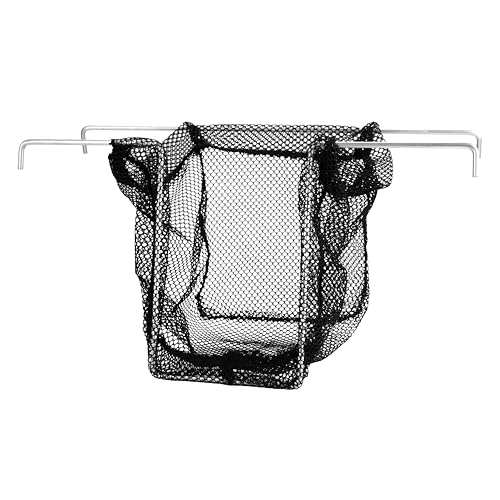
If you are tired of dealing with floating debris like pollen, stray leaves, or insect husks, the Aquascape Pond Skimmer Net is arguably the best tool for the job. Its design is optimized for quick, efficient surface skimming, allowing you to clear the top of the water in just a few minutes. It is lightweight, which makes it very easy to use for extended periods without fatigue.
This net is not designed for bottom cleaning or heavy-duty dredging, so don’t expect it to handle deep-water sludge. It is a specialized tool that excels at its specific mission: keeping the surface crystal clear. For those who prioritize a clean, reflective water surface, this net is an essential addition to your kit.
Tetra Pond Net: Ideal for Small Garden Ponds

The Tetra Pond Net is perfectly sized for the typical backyard garden pond. It is compact, maneuverable, and very easy to store, making it a great choice for beginners or those with smaller water features. It handles light debris removal with ease and is simple enough for anyone in the family to grab and use.
Do not expect this net to handle large, deep ponds or heavy, waterlogged debris loads. It is built for convenience and small-scale maintenance rather than heavy-duty labor. If your pond is small and you want a simple, effective, and affordable tool, this is the right choice for you.
PonicGear Telescopic Net: Best Reach Option

When you have a pond with a wide surface area or steep, hard-to-reach edges, the PonicGear Telescopic Net is a game-changer. The reach provided by the telescopic handle allows you to access remote corners without having to wade into the water or walk around the entire perimeter. It effectively eliminates the "blind spots" that often accumulate debris.
The trade-off for that extra reach is a slight reduction in rigidity when the handle is fully extended. You will need to be mindful of your leverage, especially when pulling out heavy loads. For those who need maximum coverage and accessibility, this net is the most practical solution available.
Matala Pond Net: Best for Heavy Debris Removal

The Matala Pond Net is designed for the serious pond keeper who deals with large volumes of waste. Its construction is incredibly sturdy, and the mesh is designed to hold up under the pressure of heavy, wet debris. This is the tool you pull out when you are doing a deep seasonal clean or clearing out a massive amount of fallen autumn leaves.
Because it is built for such heavy tasks, it is naturally heavier and less agile than smaller skimmer nets. It is not intended for light, daily maintenance, but rather for the heavy lifting that keeps a pond healthy long-term. If you have a large pond with heavy debris loads, this is the professional-grade tool you need.
Essential Tips for Effective Pond Netting
The most important rule of pond netting is to be proactive rather than reactive. Don’t wait until the surface is completely covered in leaves; netting once or twice a week during the fall will save you hours of work later. Always move your net slowly through the water to avoid stirring up settled silt, which can cloud your water and stress your fish.
When you are finished, rinse your net thoroughly with a hose to remove any trapped organic matter or algae spores. Allowing debris to dry in the mesh will degrade the material much faster and create a breeding ground for bacteria. Store your net in a shaded area to prevent UV damage to the handle and mesh, ensuring it stays ready for your next maintenance session.
Maintaining a clear, healthy pond doesn’t have to be a chore if you have the right gear for the job. By choosing a net that matches your pond’s size and specific debris challenges, you can easily protect your water quality and your fish. Keep up with your routine, stay consistent, and enjoy the tranquil beauty of your well-maintained water feature.