6 Best Pond Liners For Bioswimming Pool Construction
Selecting the right liner is vital for a bioswimming pool. Explore our top six picks, focusing on durability, safety, and ecosystem health for your project.
Imagine stepping into a crystal-clear pool where the water is purified by living plants rather than harsh chemicals. Building a bioswimming pool is a rewarding journey into ecological design, but the foundation of your success rests entirely on the integrity of your liner. Choosing the right material ensures your private oasis remains leak-free and biologically balanced for years to come.
Disclosure: As an Amazon Associate, this site earns from qualifying purchases. Thank you!
Understanding Bioswimming Pool Requirements
Unlike traditional chlorinated pools, a bioswimming pool acts as a living ecosystem. Your liner must be completely non-toxic, as it will be in constant contact with aquatic plants, beneficial bacteria, and the swimmers themselves. It also needs to be UV-resistant and flexible enough to handle the settling of the ground over time.
You aren’t just holding water; you are creating a habitat. If a liner leaches chemicals or degrades under the sun, it can throw off the delicate nutrient balance required for natural filtration. Always prioritize materials that are certified fish-safe and environmentally inert to ensure your pool remains a healthy, self-sustaining environment.
Firestone PondGard EPDM: The Industry Standard


If you want the gold standard for reliability, Firestone PondGard EPDM is the liner I point most people toward. Its incredible elasticity allows it to conform to complex pool shapes and rocky shelves without the risk of cracking. It is the workhorse of the industry for a reason.
Because it is exceptionally durable and resistant to extreme temperature fluctuations, it holds up beautifully through harsh winters and sweltering summers. If you are looking for a "set it and forget it" solution that has been proven in thousands of professional installations, this is your best bet. It is the definitive choice for those who value peace of mind over the lowest price point.
BTL Liners RPE: Best for Large-Scale Projects
When you are moving into the territory of large-scale natural pools, standard rubber liners can become prohibitively heavy and difficult to seam. BTL Liners RPE (Reinforced Polyethylene) changes the game by being significantly lighter yet much stronger than traditional EPDM. It is a high-tech solution for those who want a massive footprint without the back-breaking installation.

The material is factory-welded into large panels, which drastically reduces the number of seams you need to manage on-site. If you have a sprawling design with wide, expansive areas, RPE is the most efficient and structurally sound material available. This is the product for the ambitious builder who needs professional-grade strength at a manageable weight.
Aquascape EPDM Liner: Best for DIY Enthusiasts

Aquascape has built their reputation on making pond construction accessible to the weekend warrior. Their EPDM liner is specifically engineered to be user-friendly, with a texture that is easy to handle and a flexibility that makes folding corners a breeze. If you are tackling your first bioswimming pool build, this material is very forgiving.
It comes with excellent support documentation and a track record of reliability for residential-scale projects. You won’t struggle with stiff, unmanageable sheets, which saves you hours of frustration during the installation phase. For the DIY enthusiast who wants a high-quality result without needing a specialized crew, Aquascape is the clear winner.
PondGuard 45 Mil EPDM: Superior Durability

When your pool design includes heavy stone features or high-traffic areas, you need a liner that can take a beating. PondGuard 45 Mil EPDM is thicker and tougher than standard liners, offering an extra layer of protection against punctures from debris or accidental impact. It is built for longevity in environments that might be a bit more rugged.
The thickness provides a reassuring sturdiness that makes it less likely to snag during installation. While it is heavier to maneuver, the trade-off is a robust barrier that will likely outlast the life of your pool’s filtration components. If you are building in an area with rocky soil or plan to incorporate heavy decorative boulders, choose this liner.
HDPE Geomembrane Liners: Best for Longevity

HDPE (High-Density Polyethylene) is the material of choice for professional engineers who prioritize absolute longevity above all else. It is chemically inert, incredibly resistant to root penetration, and essentially impervious to environmental degradation. This is the material used for large-scale reservoirs and industrial containment, so it is undeniably over-engineered for a home pool.
However, be aware that HDPE is much stiffer than EPDM, making it difficult to fold around tight corners or complex curves. It requires professional heat-welding equipment to seam properly, which means it is rarely a DIY-friendly option. If you are building a formal, geometric pool and want a liner that will last for decades, HDPE is the professional’s choice.
PVC Pond Liners: Flexible and Cost-Effective
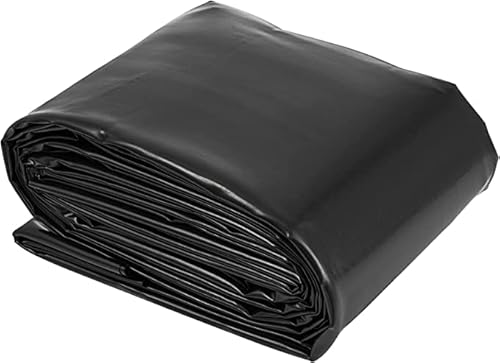
PVC liners are the budget-conscious option for those who still want a functional, flexible barrier. They are lightweight and very easy to seam using specialized adhesives, making them a common choice for smaller, simpler bioswimming pool designs. If you are working with a tight budget, PVC allows you to allocate more funds toward your plants and filtration systems.
The main trade-off is that they are generally less UV-resistant than EPDM and can become brittle over time if not properly protected by a layer of aquatic plants or gravel. They are best suited for pools that are well-shaded or smaller in size. While not the most durable on this list, they provide a perfectly capable solution if you are mindful of their limitations.
Selecting the Right Thickness for Your Pool
A common misconception is that thicker is always better, but you must balance durability with weight and flexibility. For most residential bioswimming pools, a 45-mil thickness is the industry sweet spot. It provides enough puncture resistance to handle standard foot traffic while remaining pliable enough to fold around the contours of your pool.
- 20-30 mil: Best for small, low-traffic water features or temporary setups.
- 45 mil: The standard for most backyard bioswimming pools and koi ponds.
- 60+ mil: Reserved for high-traffic areas, commercial projects, or rocky, unforgiving terrain.
Essential Seaming and Installation Techniques
No matter how high-quality your liner is, a poor seam will lead to leaks. Always use the manufacturer-recommended tape or adhesive, and ensure the surfaces are impeccably clean and dry before bonding. I always recommend overlapping your panels by at least six inches to create a secure, redundant seal.
Installation is also about protection. Always install a heavy-duty geotextile underlayment beneath your liner to prevent rocks, roots, or sharp soil from causing punctures from below. Think of the underlayment as the "cushion" that keeps your liner safe from the ground, allowing it to move slightly as the earth settles.
Long-Term Maintenance for Bioswimming Liners
Maintaining a bioswimming liner is largely about prevention. Keep the water chemistry stable to prevent excessive algae buildup, which can hide potential issues and make the liner slippery. Periodically inspect the edges of your pool where the liner meets the landscape to ensure no soil or debris is washing into the water.
If you ever need to perform a repair, keep a small patch kit of the same material on hand at all times. Catching a small nick early is a simple patch job, but ignoring it can lead to significant water loss and damage to the surrounding landscape. Treat your liner with care, and it will serve as the reliable heart of your natural pool for years.
Building a bioswimming pool is a transition from owning a maintenance-heavy utility to managing a vibrant, living landscape. By selecting the right liner based on your specific terrain and project goals, you are ensuring the longevity of your investment. Embrace the process, choose your materials with care, and enjoy the unparalleled experience of swimming in water that is as natural as it is clean.