7 Innovative Beach Workout Ideas for Fitness That Pro Athletes Swear By
Transform your beach day into an intense workout with 7 innovative fitness ideas. From surfboard balance training to tidal pool yoga – burn calories while enjoying ocean views!
Why it matters: Beach workouts combine the mental benefits of ocean views with serious calorie-burning potential â giving you double the fitness payoff while ditching the crowded gym scene.
The big picture: Sand creates natural resistance that forces your muscles to work harder during every movement while the uneven surface challenges your balance and core stability in ways traditional workouts can’t match.
What’s next: These seven innovative beach exercises will transform your typical seaside stroll into a full-body fitness session that’ll leave you stronger and more energized than any indoor routine.
Disclosure: As an Amazon Associate, this site earns from qualifying purchases. Thank you!
Surfboard Balance Training for Core Strength
Learn to surf with the WAVESTORM 8ft surfboard! This soft top board features a durable foam construction, three stringers, and includes fins, leash, and traction pad.
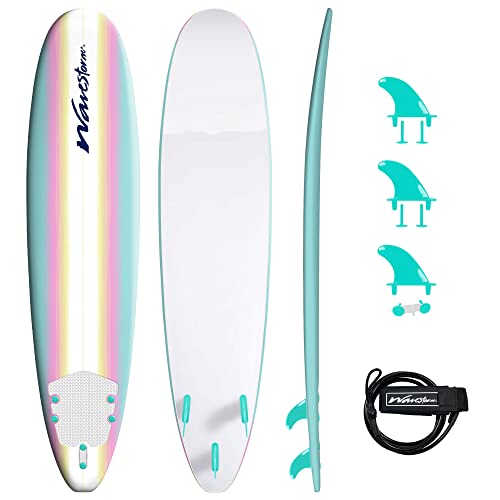
Surfboard balance training transforms your beach workout into a dynamic core-strengthening session that mimics real surfing conditions. You’ll engage deep stabilizing muscles while improving proprioception on the sand’s unstable surface.
Equipment Setup and Safety Tips
Position your surfboard on level sand away from foot traffic and debris. Check for dings or sharp edges that could cause injury during ground-based movements.
Start 20 feet from the water’s edge to avoid unexpected waves. Place a towel nearby for grip if your hands get sandy during transitions between poses.
Basic Balance Poses and Progressions
Begin with simple plank holds on the surfboard, progressing from 30 seconds to 2 minutes. Add single-leg stands while gripping the rails for stability.
Practice warrior III pose with your front foot planted on the board’s center. This builds the ankle strength and core control you’ll need for more advanced combinations.
Advanced Surfboard Workout Combinations
Combine pop-up movements with mountain climbers for explosive power development. Flow from plank to side plank while maintaining contact with the board’s surface.
Add Turkish get-ups using the surfboard as your base for ultimate full-body integration. These complex movements challenge every stabilizing muscle while building functional strength patterns.
Sand Dune Sprints for Cardiovascular Endurance
Sand dune sprints transform your beach workout into an intense cardio challenge that’ll push your heart rate higher than traditional running. The steep incline and unstable sand surface force your body to work harder while building explosive power in your legs.
Finding the Perfect Dune Angle
Look for dunes with a 15-30 degree incline for optimal cardiovascular benefits without risking injury. Steeper angles create too much stress on your ankles and knees, while gentler slopes won’t provide enough resistance.
Test the sand firmness by walking up first – you want packed sand that gives slightly underfoot but doesn’t cause you to sink more than 2-3 inches with each step.
Sprint Interval Training Techniques
Start with 20-second sprints followed by 40-second walking recovery periods to build your cardiovascular base safely. Focus on pumping your arms and driving your knees high to maintain momentum against the sand’s resistance.
Progress to 30-second sprints with 30-second rest periods as your fitness improves. Complete 6-8 intervals for a challenging 12-16 minute workout that’ll leave your heart pounding.
Recovery and Hydration Strategies
Drink 6-8 ounces of water every 15 minutes during dune workouts since the combination of sun exposure and intense effort increases dehydration risk significantly. The reflected heat from sand amplifies fluid loss compared to other cardio activities.
Walk slowly down the dune between intervals rather than jogging to prevent quad muscle fatigue and reduce joint impact. This active recovery keeps your heart rate elevated while allowing partial muscle recovery.
Beach Volleyball Circuit Training for Full-Body Conditioning
Enjoy comfortable play with the Wilson AVP Soft Play Volleyball. Its sponge-backed cover provides a soft touch, while durable construction and a butyl rubber bladder ensure lasting performance.

Beach volleyball transforms into an exceptional full-body workout when you structure it as circuit training. You’ll engage every major muscle group while building explosive power and cardiovascular endurance on the unstable sand surface.
Solo Drill Variations Without a Net
Practice your serves against an imaginary target 30 feet away, focusing on different serve types like float serves and jump serves. Work on your approach footwork by running through spiking motions without a ball, emphasizing the three-step approach pattern. Shadow your defensive movements by practicing digs and passes against the sand, which builds muscle memory and strengthens your legs through constant balance adjustments.
Partner-Based Volleyball Exercises
Set up pepper drills where you and your partner continuously pass, set, and spike to each other in rapid succession. Practice blocking exercises where one person jumps to block while the other works on approach timing and arm swings. Create competitive serving challenges by taking turns serving to specific zones marked in the sand, keeping score to maintain intensity throughout your workout.
Plyometric Jumping and Spiking Drills
Execute jump sets by continuously jumping and setting an imaginary ball for 30-second intervals, focusing on explosive takeoffs from the sand. Practice approach jumps without a ball, running through your three-step approach and jumping as high as possible while swinging your arms. Perform lateral shuffle jumps by moving side to side while jumping, simulating defensive movements that volleyball players use during actual gameplay.
Tidal Pool Yoga for Flexibility and Mindfulness
Tidal pool yoga transforms your beach workout into a meditative experience that challenges your balance while connecting you with nature’s rhythm. The shallow water and rocky formations create a unique practice environment that enhances traditional poses.
Best Times for Tidal Pool Sessions
Schedule your sessions 1-2 hours before low tide when pools are calmest and most accessible. Early morning sessions from 6-8 AM offer the most peaceful conditions with minimal wind and fewer beachgoers. Check local tide charts and avoid sessions during incoming tides when water levels rise rapidly and waves become unpredictable.
Track local tide conditions with the Northcore Bamboo Tide Clock. This desk-friendly clock, made from sustainable bamboo, rotates every 12 hours and 25 minutes to indicate high and low tides after a simple set up.

Water-Safe Yoga Poses and Modifications
Practice modified warrior poses with feet planted firmly on sandy pool bottoms for enhanced stability. Tree pose becomes more challenging and effective when performed in ankle-deep water that engages stabilizing muscles. Use pool edges or smooth rocks for support during balance poses, and avoid inverted positions that could result in submersion.
Breathing Techniques with Ocean Sounds
Synchronize your pranayama breathing with the natural rhythm of waves crashing nearby for deeper relaxation. Practice box breathing (4 counts in, hold 4, out 4, hold 4) while listening to the ocean’s consistent white noise background. The sound of water naturally slows your breath rate and helps maintain focus during challenging poses.
Resistance Band Workouts Using Beach Infrastructure
Beach infrastructure transforms ordinary resistance bands into versatile strength-training tools. You’ll find countless natural anchor points that create workout opportunities impossible in traditional gym settings.
Enhance your workouts with this set of five durable resistance loop bands, offering varying levels for all fitness levels. Includes a convenient carry bag and instruction guide with illustrated exercises.

Anchor Points and Setup Methods
Lifeguard towers provide the most secure anchor points for high-tension exercises. Wrap bands around the base supports or ladder rungs at varying heights.
Pier pilings and boardwalk railings offer multiple attachment levels for different exercise angles. Always test stability before applying full resistance force to ensure safety.
Upper Body Resistance Exercises
Chest flies work exceptionally well when you anchor bands to pier posts behind you. Step forward to create tension and perform controlled fly movements.
Lat pulldowns become possible by securing bands overhead to lifeguard platforms or pier crossbeams. Pull down and back to engage your entire back effectively.
Lower Body and Core Band Routines
Lateral walks gain intensity when you anchor one end to beach volleyball net posts. The fixed anchor point creates constant tension throughout the movement.
Anti-rotation holds challenge your core when bands pull from pier railings. Maintain neutral spine position while resisting the rotational force for maximum engagement.
Paddle Board HIIT Training in Shallow Waters
Enjoy stability and fun for all skill levels with the Roc Inflatable Paddle Board. Its wide design and non-slip deck provide a comfortable ride, while premium accessories ensure you're ready to hit the water.
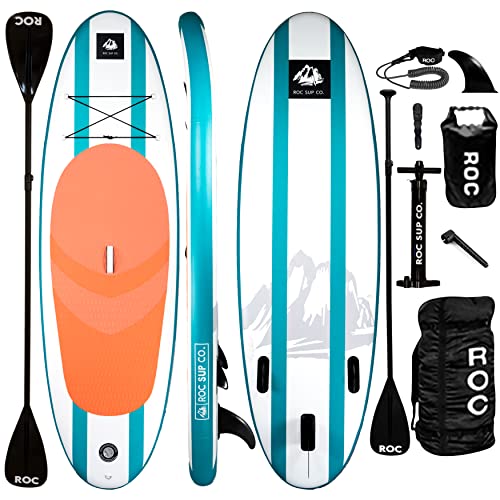
Paddle board fitness takes your beach workout to the next level by combining balance challenges with high-intensity cardio. The unstable surface forces your core to work overtime while shallow water provides safety and confidence for beginners.
Beginner-Friendly Paddle Board Exercises
Start with basic planks on your board, holding for 30 seconds in knee-deep water. Progress to modified push-ups and gentle side-to-side weight shifts to build confidence. Practice single-leg stands while gripping the board’s edges, focusing on engaging your core muscles rather than rushing through movements.
High-Intensity Interval Combinations
Alternate between 30-second bursts of mountain climbers and 15-second rest periods for maximum calorie burn. Add squat jumps and burpees to challenge your balance while elevating your heart rate. Complete 4-5 rounds of these explosive movements, using the water’s resistance to intensify each rep.
Water Safety and Equipment Considerations
Choose inflatable SUP boards for beginners since they’re more forgiving during falls and easier to climb back onto. Maintain water depth between your knees and waist to ensure safe landing zones. Always use a board leash and inform someone of your workout location and expected return time.
Beach Obstacle Course Using Natural Elements
Creating your own beach obstacle course transforms scattered driftwood and rocks into a challenging fitness playground. This approach maximizes the natural resistance and instability of sand while incorporating found elements for a completely dynamic workout experience.
Creating Courses with Driftwood and Rocks
Driftwood stations work perfectly as hurdles, balance beams, and crawling obstacles when arranged in sequences. Set up three to five pieces at varying heights and distances to create jumping challenges that test your explosive power.
Rock formations become natural step-ups and lateral movement markers when you identify stable pieces weighing 20+ pounds. Position them 3-4 feet apart for agility drills and use larger rocks as anchor points for resistance exercises.
Agility and Coordination Challenges
Lateral shuffles between rock markers develop side-to-side quickness while the sand surface challenges your stabilizing muscles. Start with 10-yard sequences and progress to zigzag patterns around driftwood obstacles.
Bear crawls over and under driftwood pieces engage your entire core while building shoulder stability. Combine these with 180-degree turns around rock markers to challenge your coordination and spatial awareness in multiple planes of movement.
Group Training and Competition Ideas
Relay races through your obstacle course create friendly competition while maintaining high workout intensity. Set up teams of 2-3 people and time each complete circuit to track improvement over multiple sessions.
Partner challenges like synchronized movements through obstacles or competitive time trials add motivation and accountability. Create point systems for clean technique versus speed to encourage proper form while maintaining the competitive element that keeps everyone engaged.
Conclusion
Your beach workout journey doesn’t have to end when summer does. These seven innovative exercises prove that the shoreline offers endless possibilities for challenging your body in ways traditional gyms simply can’t match.
The combination of natural resistance unstable surfaces and fresh ocean air creates the perfect environment for total-body transformation. You’ll build functional strength improve balance and boost cardiovascular endurance while enjoying stunning coastal views.
Remember to stay hydrated listen to your body and adjust intensity based on weather conditions. Whether you’re a fitness beginner or seasoned athlete these beach workouts will keep you engaged motivated and excited about your next seaside training session.
Start with one or two exercises that appeal to you most then gradually incorporate others as your confidence grows. Your body will thank you for the variety and your mind will appreciate the natural stress relief that only ocean workouts can provide.
Frequently Asked Questions
What makes beach workouts more effective than gym workouts?
Beach workouts offer unique advantages including natural resistance from sand that enhances muscle engagement and balance training. The unstable surface forces your stabilizing muscles to work harder, burning more calories while providing mental wellness benefits from ocean views. Sand training also reduces joint impact compared to hard surfaces.
How do I set up surfboard balance training safely on the beach?
Position your surfboard on level, firm sand at least 20 feet from the water’s edge. Start with basic plank holds and progress to single-leg stands. Always check for obstacles around your setup area and begin with shorter sessions to build stability before attempting advanced poses like warrior III.
What’s the ideal incline for sand dune sprint training?
Look for dunes with a 15-30 degree incline for optimal cardiovascular benefits while minimizing injury risk. This slope provides sufficient resistance for intense cardio training without being too steep. Start with 20-second sprints followed by 40-second recovery periods, walking slowly down between intervals.
How can I turn beach volleyball into a full-body workout?
Experience superior outdoor play with the Mikasa King of the Beach volleyball. Designed with durable SandTech composite leather and a butyl bladder, this ball offers exceptional performance and lasting air retention.
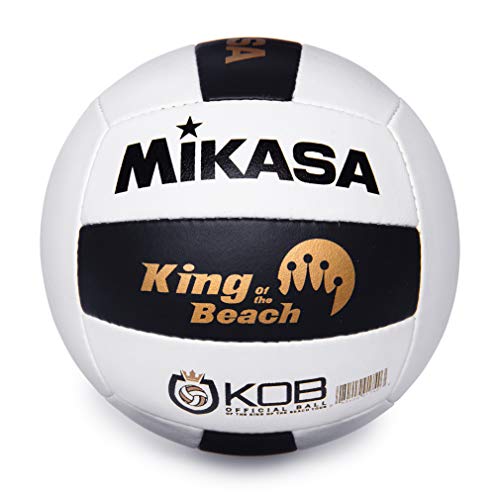
Structure volleyball as circuit training with solo drills like serving practice and defensive shadowing movements. Include partner exercises such as pepper drills and competitive serving challenges. Add plyometric jumping and spiking drills to enhance explosive power and engage every major muscle group.
When is the best time for tidal pool yoga sessions?
Schedule tidal pool yoga 1-2 hours before low tide for the calmest water conditions. Early morning sessions are ideal as they offer peaceful surroundings and stable water levels. This timing ensures you have access to shallow, calm pools perfect for water-safe yoga poses.
What equipment do I need for beach resistance band workouts?
You’ll need quality resistance bands and knowledge of suitable anchor points like lifeguard towers, pier pilings, or sturdy beach infrastructure. The beach environment provides natural anchoring opportunities, allowing you to perform upper body exercises like chest flies and lower body routines like lateral walks.
Is paddle board HIIT training suitable for beginners?
Yes, beginners can start with inflatable SUP boards in shallow water (waist-deep maximum). Begin with basic planks and modified push-ups, then progress to high-intensity intervals including mountain climbers and squat jumps. Always prioritize safety with proper water depth for safe landings.
How do I create a beach obstacle course using natural elements?
Use driftwood for hurdles, large rocks for balance beams, and sand for agility drills. Set up various stations incorporating natural resistance elements, and consider adding relay races or partner challenges. The key is maximizing the beach’s natural features while ensuring all obstacles are stable and safe.