5 Effective Breathing Techniques for Swimmers Pro Athletes Swear By
Master 5 game-changing breathing techniques for swimmers! From bilateral breathing to hypoxic training, boost your endurance, speed, and stroke efficiency in the water.
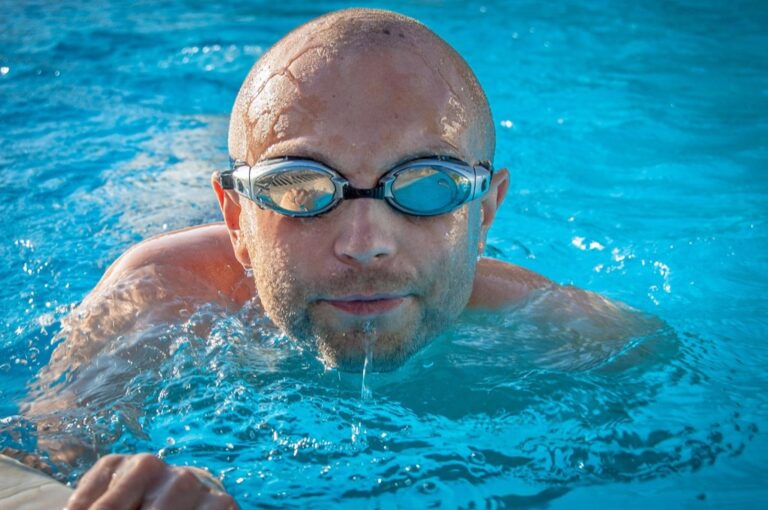
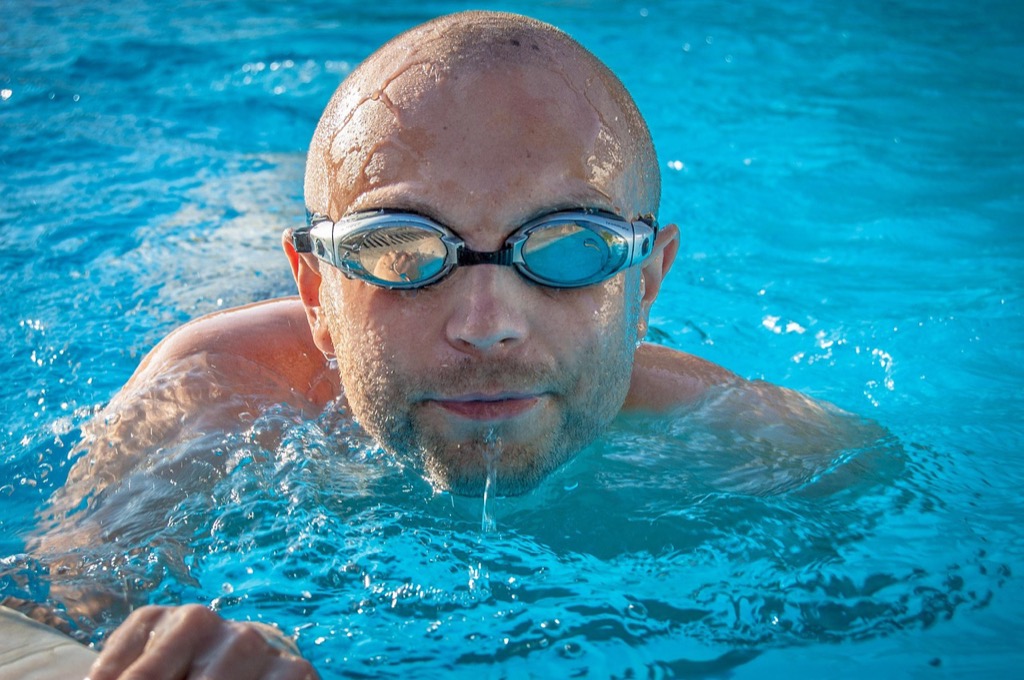
Your breathing technique can make or break your swimming performance. Whether you’re a beginner struggling to find your rhythm or an experienced swimmer looking to shave seconds off your time breathing efficiently determines how long and fast you can swim.
Poor breathing habits drain your energy and slow you down while proper techniques boost your endurance and speed. Master these five proven breathing methods and you’ll transform your swimming from survival mode to smooth powerful strokes that carry you effortlessly through the water.
Disclosure: As an Amazon Associate, this site earns from qualifying purchases. Thank you!
Bilateral Breathing: Master the Art of Alternating Sides
Bilateral breathing transforms your stroke from lopsided to balanced, creating the foundation for efficient swimming. You’ll breathe every third stroke instead of favoring one side, which develops symmetrical technique and prevents shoulder strain.
Achieve a flawless, semi-matte complexion with e.l.f. Flawless Satin Foundation. This lightweight, vegan formula provides medium coverage that blends seamlessly to improve skin tone and texture.

Benefits of Breathing on Both Sides
Balanced stroke development prevents muscle imbalances that plague single-side breathers. You’ll develop equal strength on both sides while maintaining straighter body alignment through the water.
Enhanced spatial awareness lets you monitor lane traffic and pool walls from either direction. This becomes crucial during open water swims where navigation and safety require 360-degree awareness.
Step-by-Step Technique for Bilateral Breathing
Start with basic freestyle while breathing every third stroke – left, right, breathe left, then right, left, breathe right. Count “one, two, breathe” to establish the rhythm.
Practice pool breathing drills by swimming 25-yard intervals focusing solely on alternating sides. Build up your lung capacity gradually since bilateral breathing requires longer breath-holding periods between strokes.
Common Mistakes to Avoid
Rushing the breathing pattern leads to panic and poor technique when you can’t get enough air. Start with shorter distances and build endurance gradually rather than forcing long swims immediately.
Lifting your head too high breaks your body position and creates drag. Keep one goggle in the water while breathing, rotating your head just enough to clear your mouth for air intake.
Rhythmic Breathing: Establish Your Perfect Pattern
Rhythmic breathing transforms chaotic gasping into smooth, controlled oxygen delivery. You’ll discover that finding your natural breathing rhythm creates the foundation for every other technique in your swimming arsenal.
Finding Your Optimal Breathing Rhythm
Every swimmer has a unique breathing pattern that matches their stroke rate and lung capacity. Start with breathing every three strokes during easy freestyle sessions to establish baseline timing.
Count your strokes per length and experiment with different intervals – some swimmers thrive on every-two patterns while others need every-four for longer distances. Your optimal rhythm should feel sustainable without forcing or rushing your stroke cycle.
How to Practice Rhythmic Breathing Drills
Practice breathing pattern drills using a kickboard to isolate your timing without stroke coordination pressure. Focus on exhaling steadily underwater between designated breathing points.
Improve your kicking technique with the Sunlite Sports Kickboard. Its ergonomic design and non-slip grip offer comfortable support for effective swim training, whether you're a beginner or seasoned swimmer.

Try the 3-5-7 drill: swim one length breathing every three strokes, the next every five, then every seven. This builds breathing control while helping you identify which pattern feels most natural for your body mechanics.
Adapting Your Pattern for Different Distances
Sprint distances require more aggressive breathing patterns – often every stroke or every two strokes for maximum oxygen intake. Your 50-meter freestyle breathing will look completely different from your mile swim rhythm.
Distance swimming demands conservative patterns like every-three or every-four to maintain stroke efficiency over time. Adjust your breathing frequency based on pace rather than sticking rigidly to one pattern across all swimming scenarios.
Explosive Breathing: Maximize Your Air Exchange
Explosive breathing transforms your oxygen intake from a limiting factor into a performance advantage. You’ll exchange maximum air volume in minimal time, keeping your stroke rhythm intact while flooding your muscles with the oxygen they crave.
The Science Behind Quick Air Exchange
Your lungs can process significantly more oxygen when you exhale forcefully underwater before surfacing. This creates negative pressure that pulls fresh air in rapidly during your brief breathing window.
Fast swimmers typically complete their air exchange in 0.3-0.4 seconds compared to 0.6-0.8 seconds for recreational swimmers. This efficiency maintains stroke tempo while maximizing oxygen delivery to working muscles.
Technique for Powerful Exhaling and Inhaling
Start exhaling immediately after your previous breath through both nose and mouth underwater. Create a steady stream of bubbles that empties your lungs completely before your mouth breaks the surface.
Turn your head just enough to clear one goggle from water, then inhale sharply through your mouth. Your emptied lungs will naturally draw air in quickly, filling to 80-90% capacity in one decisive breath.
Training Drills to Improve Explosive Breathing
Practice the “bubble trail” drill by swimming freestyle while maintaining continuous underwater exhalation. You should see a steady stream of bubbles throughout your stroke cycle, not just quick bursts.
Try the “explosive exchange” set: swim 25-yard repeats breathing every 5th stroke with maximum force on both exhale and inhale. Rest 15 seconds between repeats and focus on completing each breath in under half a second.
Hypoxic Training: Build Your Lung Capacity
Hypoxic training deliberately restricts oxygen intake to strengthen your respiratory system and improve swimming efficiency. This controlled breath-holding technique pushes your body to adapt to lower oxygen levels.
Protect yourself from harmful particles with this reusable half-face respirator. Featuring a comfortable, adjustable silicone seal and a double filtration system, it effectively blocks 90% of organic vapors, dust, and pollen.

Understanding Hypoxic Swimming Benefits
Hypoxic training increases your stroke count between breaths, forcing better oxygen utilization and stronger lung muscles. Your body learns to extract more oxygen from each breath while building tolerance to carbon dioxide buildup. Regular hypoxic sets improve your ability to maintain stroke technique even when oxygen-deprived during race conditions.
Safe Progression Methods for Breath Holding
Start with breathing every 5 strokes instead of your normal 3-stroke pattern during easy 50-yard sets. Gradually extend to 7-stroke intervals once you’re comfortable, then progress to 9 strokes for advanced training. Never attempt hypoxic training when swimming alone, and immediately return to normal breathing if you feel dizzy or disoriented.
Sample Hypoxic Training Sets
Try 8 x 50 yards freestyle breathing every 5 strokes with 20 seconds rest between each length. Progress to 4 x 100 yards with the first 50 breathing every 3 strokes and second 50 every 7 strokes. Advanced swimmers can attempt 3-5-7-9 breathing patterns within single 100-yard swims to build maximum lung capacity and stroke efficiency.
Sighting Breathing: Navigate Open Water Like a Pro
Open water swimming demands a completely different breathing approach than pool swimming. You’ll need to master sighting breathing to navigate safely while maintaining your stroke efficiency.
When and How to Incorporate Sighting
Sight every 6-8 strokes in calm conditions and every 4-6 strokes in choppy water. Lift your eyes just above the waterline during your regular breathing rotation. Keep your head low and quick – you’re checking direction not admiring the scenery. Practice the “crocodile eyes” technique where only your goggles break the surface.
Maintaining Breathing Rhythm While Sighting
Never hold your breath during sighting – this kills your established rhythm and creates oxygen debt. Continue exhaling underwater through your nose while lifting to sight. Return to your normal breathing pattern immediately after each navigation check. If you breathe every three strokes normally, sight on stroke six then breathe on stroke nine.
Practice Techniques for Pool and Open Water
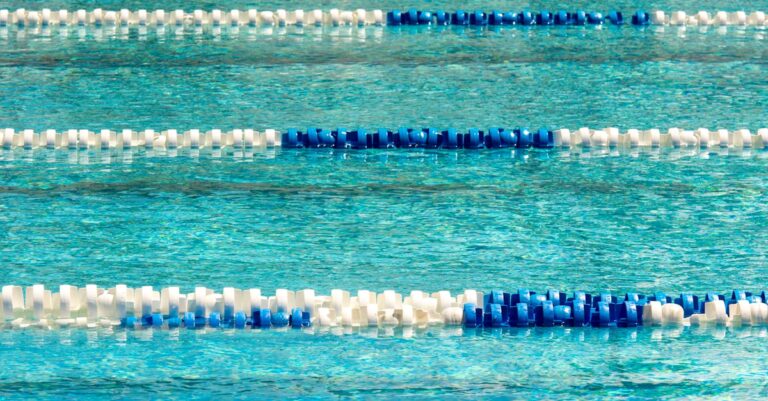
Start with pool drills using lane ropes as navigation targets. Practice 50-yard repeats where you sight every wall without breaking stroke rhythm. Progress to open water sessions in shallow areas where you can stand if needed. Use landmarks like buoys or pier posts to practice real navigation scenarios while maintaining your breathing cadence.
• SAFETY FIRST – Our pre-assembled safety ropes are thoughtfully designed to prioritize the safety of your family, especially young swimmers. Integrated hooks on both ends allow you to easily section off deep and shallow areas, providing a clear and reliable boundary in your pool. Whether you're setting up for a busy pool day or just taking extra precautions, our safety ropes offer an added layer of protection and reassurance for swimmers of all ages. • FULLY ADJUSTABLE– Comes with movable and detachable floats, allowing you to easily customize spacing to suit your pool's unique layout and safety requirements. Designed for easy adjustments, it’s perfect for pools of all shapes and sizes, making installation simple and hassle-free while creating an effective visual barrier for swimmers. Quickly and securely attaches to pool sides or anchors, ensuring a firm hold. • BUILT TO LAST - Heavy duty hooks are crafted from premium stainless steel with corrosion-resistant hardware, while the rope is made from durable, braided, UV-resistant polyethylene. Designed to withstand harsh pool chemicals, direct sunlight, and rust, our ropes deliver reliable performance season after season. • OFF THE TO RACES – In addition to enhancing safety, our ropes double as ideal lane dividers for swimming practice or lap exercises, transforming your outdoor pool into a versatile training or fitness space. Whether you're preparing for competition or simply enjoying a swim, their adaptable design ensures they meet safety standards for various water environments, providing peace of mind while your family enjoys the pool. • PROUDLY MADE IN AMERICA – Our safety ropes are meticulously assembled in Mississippi by a team of experienced pool professionals with decades of expertise. We are committed to quality and dedicated to supporting local jobs, helping revitalize American manufacturing one product at a time.

Conclusion
Mastering these five breathing techniques will transform your swimming from survival mode into powerful performance. You’ll notice immediate improvements in your endurance and stroke efficiency once you start implementing bilateral breathing rhythmic patterns and explosive air exchange.
Remember that consistency beats perfection when developing these skills. Start with one technique at a time and gradually layer in the others as your confidence grows. Your breathing should feel natural and support your stroke rather than fight against it.
The water becomes your ally when you breathe with intention and control. Whether you’re training for competition or swimming for fitness these techniques will unlock your potential and make every lap more enjoyable. Your improved breathing will be the foundation for everything else you want to achieve in the pool.
Frequently Asked Questions
What is bilateral breathing and why is it important for swimmers?
Bilateral breathing involves alternating breathing sides every third stroke in freestyle swimming. This technique promotes balanced muscle development, prevents shoulder strain, and improves body alignment in the water. It also enhances spatial awareness, which is crucial for navigation during open water swimming and helps maintain proper stroke mechanics.
How do I establish a proper rhythmic breathing pattern?
Start by breathing every three strokes during easy freestyle sessions to establish your baseline rhythm. Practice rhythmic breathing drills using a kickboard to focus on timing, and try the 3-5-7 drill to build breathing control. Your breathing pattern should match your stroke rate and lung capacity for optimal performance.
What is explosive breathing and how does it improve swimming performance?
Explosive breathing maximizes air exchange through quick, forceful exhalation underwater followed by rapid inhalation at the surface. Elite swimmers complete air exchange in 0.3-0.4 seconds compared to 0.6-0.8 seconds for recreational swimmers. This technique maintains stroke tempo while maximizing oxygen delivery and overall swimming efficiency.
Is hypoxic training safe and how should beginners start?
Hypoxic training is safe when done properly with gradual progression. Start by breathing every five strokes, then gradually extend to seven and nine strokes. Never swim alone during hypoxic training, and return to normal breathing if you experience dizziness. This training strengthens respiratory muscles and improves oxygen utilization.
How often should I sight during open water swimming?
Sight every 6-8 strokes in calm conditions and every 4-6 strokes in choppy water. Use the “crocodile eyes” technique to keep your head low while sighting. Maintain your breathing rhythm during sighting by continuing to exhale underwater rather than holding your breath, which can disrupt your stroke efficiency.
Can poor breathing technique really affect my swimming speed?
Yes, poor breathing habits can significantly impact performance by causing energy depletion, disrupting body position, and creating drag in the water. Inefficient breathing leads to oxygen debt, muscle fatigue, and slower swim times. Mastering proper breathing techniques can transform struggling swimmers into efficient, powerful stroke performers.