7 Community Pool Maintenance Best Practices That Prevent Costly Repairs
Discover 7 essential community pool maintenance practices to ensure safety, compliance, and cost-effective operations. Learn daily testing, cleaning schedules, equipment care, and staff training tips.
Community pool maintenance demands precision and consistency to keep your facility safe and sparkling for every swimmer. Poor upkeep leads to costly repairs health code violations and frustrated residents who expect crystal-clear water year-round.
Smart maintenance practices protect your investment while ensuring compliance with local regulations. You’ll save thousands in emergency repairs and keep your community happy with proper chemical balance equipment care and preventive measures.
The right approach transforms overwhelming pool management into a streamlined routine that delivers professional results without breaking your budget.
Disclosure: As an Amazon Associate, this site earns from qualifying purchases. Thank you!
Establish a Daily Water Testing and Chemical Balance Routine
Testing your community pool’s water daily creates the foundation for safe swimming conditions and prevents costly chemical corrections later. You’ll catch imbalances before they become serious problems that require pool closures or expensive treatments.
Achieve a flawless, semi-matte complexion with e.l.f. Flawless Satin Foundation. This lightweight, vegan formula provides medium coverage that blends seamlessly to improve skin tone and texture.

Test pH and Chlorine Levels Every Morning
Testing pH and chlorine levels every morning ensures your pool stays within safe swimming parameters throughout the day. You’ll want pH between 7.2-7.6 and free chlorine at 1.0-3.0 ppm for optimal sanitization and swimmer comfort. Morning testing catches overnight chemical drift before swimmers arrive, giving you time to adjust levels if needed.
Monitor Total Alkalinity and Calcium Hardness Weekly
Monitoring total alkalinity weekly keeps your pH stable and prevents sudden chemical swings that frustrate daily maintenance efforts. You’ll need alkalinity between 80-120 ppm to buffer pH changes effectively. Testing calcium hardness weekly prevents scale buildup or corrosive water conditions that damage pool equipment and surfaces over time.
Document All Chemical Readings in a Maintenance Log
Documenting chemical readings in a maintenance log creates a paper trail for health inspectors and helps you spot patterns in your pool’s chemical behavior. You’ll track trends that reveal equipment issues, seasonal changes, or heavy usage impacts before they become major problems. This documentation proves compliance with local health codes and protects your facility from liability issues.
Implement a Comprehensive Skimming and Cleaning Schedule
Physical debris removal works hand-in-hand with your chemical balance routine to maintain pristine water conditions. A systematic cleaning approach prevents small maintenance issues from becoming costly repairs while keeping your pool visually appealing for community members.
Remove Surface Debris Multiple Times Daily
Skim your pool’s surface at least three times per day – early morning, midday, and evening closing. Focus on high-traffic areas where leaves, insects, and sunscreen residue accumulate most heavily.
Get powerful sun protection with Neutrogena Ultra Sheer SPF 70. This lightweight, non-greasy formula absorbs quickly, leaving a clean, matte finish while shielding skin from UVA/UVB rays.

Use a fine-mesh skimmer net to capture both large debris and smaller particles that standard nets miss. You’ll prevent organic matter from sinking to the bottom where it becomes harder to remove and can create algae growth.

Vacuum Pool Floor and Walls Twice Weekly
Schedule thorough vacuuming sessions every Tuesday and Friday to maintain consistent cleanliness between weekend peak usage periods. Start with the shallow end and work systematically toward the deep end using overlapping strokes.
Pay special attention to corners, steps, and behind ladders where debris settles and circulation is weakest. Manual vacuuming gives you better control than automatic cleaners for removing stubborn dirt and algae spots on walls.
Clean Pool Deck and Surrounding Areas Daily
Sweep and hose down the entire deck area each morning before the first swimmers arrive. Remove food debris, leaves, and other materials that can blow into the water throughout the day.
Focus on entry points, seating areas, and spaces under umbrellas where trash accumulates. Clean decks prevent contaminants from entering your carefully balanced water and reduce slip hazards for swimmers’ safety.
Maintain Proper Filtration System Operations
Your filtration system is the heart of your community pool’s water quality management. Without proper operation, even the best chemical balance routine can’t keep your water crystal clear and safe for swimmers.
Run Pool Pumps for Optimal Hours Based on Usage
Keep your pool crystal clear with the KimFilter Pro Series 1000 GPH filter pump. It uses hydroaeration technology and an efficient Type A/C cartridge to powerfully circulate and filter your pool water, removing debris and maintaining a healthy pH balance.

Calculate pump runtime using your pool’s turnover rate and daily bather load. Most community pools need 8-12 hours of filtration during peak season, but high-traffic facilities require continuous operation. Monitor water clarity during busy periods and adjust runtime accordingly to prevent cloudy conditions.
Clean and Backwash Filters According to Manufacturer Guidelines
Backwash sand and DE filters when pressure gauges show 8-10 PSI above clean startup pressure. This typically occurs every 7-14 days depending on bather load and debris accumulation. Clean cartridge filters weekly by hosing off debris, rotating between multiple sets to ensure continuous filtration.
Replace Filter Cartridges or Media as Recommended
Keep your aquarium water clear with Tetra Whisper Bio-Bag filter cartridges. The dense, dual-sided mesh removes debris, and the color-coded packaging simplifies size selection.

Replace cartridge filters every 2-4 weeks during swimming season based on usage intensity. Sand filter media lasts 3-5 years, while DE powder requires replacement after each backwash cycle. Keep replacement schedules documented to prevent filtration failures during peak operating periods.
Conduct Regular Equipment Inspections and Preventive Maintenance
Equipment failures during peak swimming season can shut down your pool for days and cost thousands in emergency repairs. A structured inspection schedule prevents these costly surprises while extending your equipment’s lifespan.
Check Pool Pumps and Motors for Proper Function
Examine pump baskets weekly for debris buildup that restricts water flow and overworks motors. Listen for unusual noises like grinding or squealing that indicate bearing problems or impeller damage. Check motor temperature during operation – excessive heat signals electrical issues or ventilation blockages that require immediate attention.
Inspect Safety Equipment and Emergency Systems
Test emergency shut-off switches monthly to ensure they cut power instantly when activated. Verify that safety covers, pool alarms, and gate latches function properly and meet local safety codes. Replace worn lifesaving equipment like ring buoys and reaching poles before they fail during an actual emergency.
Service Heating and Circulation Equipment Seasonally
Clean heat exchanger coils quarterly to maintain heating efficiency and prevent corrosion from chemical buildup. Inspect circulation system components for leaks, cracks, or loose connections that worsen during temperature changes. Schedule professional servicing before peak season when repair technicians face heavy demand and longer wait times.
Enforce Strict Pool Safety and Usage Guidelines
Clear safety guidelines protect swimmers and reduce your liability exposure. Consistent enforcement creates a culture of safety that prevents accidents before they happen.
Post Clear Rules and Regulations in Visible Areas
Display comprehensive pool rules at all entry points and around the deck perimeter. Your signage should cover diving restrictions, running policies, food and drink limitations, and capacity limits in bold, weatherproof lettering. Position signs at eye level where swimmers can’t miss them – near gates, diving boards, and shallow end areas.
Maintain Proper Lifeguard Coverage During Operating Hours
Staff certified lifeguards during all operational hours with appropriate ratios for your pool size. The American Red Cross recommends one lifeguard per 25 swimmers for pools under 2,000 square feet. Rotate guards every 15-20 minutes to maintain alertness and ensure they’re positioned with clear sightlines to all swimming areas.
Ensure Emergency Equipment is Accessible and Functional
Keep rescue equipment within 30 seconds of any pool location and test it monthly. Your emergency kit should include reaching poles, ring buoys, first aid supplies, and AED units with charged batteries. Mount equipment in clearly marked, unobstructed locations and train staff on proper usage during quarterly safety drills.
Train Staff in Professional Pool Maintenance Procedures
Building on safety protocols and maintenance schedules, your staff’s expertise directly determines your community pool’s success. Proper training creates consistency across all maintenance tasks while protecting your facility from liability issues.
Provide Certification Training for Pool Operators
Certified Pool Operator (CPO) credentials aren’t optional for community pools. You’ll need at least one CPO-certified staff member on duty during operating hours to meet most local health codes. The certification covers water chemistry, equipment operation, and safety protocols through a comprehensive 16-hour course. Pool operators must renew their certification every five years to stay current with industry standards and regulations.
Establish Standard Operating Procedures for All Tasks
Written procedures eliminate guesswork and ensure consistent results across different shifts. Create detailed checklists for daily water testing, chemical additions, equipment inspections, and emergency responses. Include specific measurements, timing requirements, and documentation protocols for each task. Post laminated copies near equipment areas so staff can reference proper procedures without leaving their stations during critical maintenance windows.
Schedule Regular Refresher Training Sessions
Monthly training sessions keep your team sharp and address seasonal challenges. Review chemical handling procedures, equipment troubleshooting, and emergency protocols during these sessions. Use real scenarios from your facility to reinforce proper responses to common issues like algae blooms or equipment failures. Document all training sessions to demonstrate compliance during health department inspections and maintain consistent safety standards year-round.
Monitor Pool Usage Patterns and Adjust Maintenance Accordingly
Smart pool management means understanding when your facility gets hit hardest and adjusting your maintenance approach accordingly. You’ll save money and prevent problems by matching your efforts to actual usage patterns rather than following a rigid schedule.
Track Peak Usage Times and Seasonal Variations
Peak usage times create predictable maintenance challenges that you can plan for effectively. Summer weekends and evening hours typically see 3-4 times normal bather loads, while winter months may drop to 25% of peak capacity.
Document daily attendance numbers and weather patterns to identify your facility’s unique usage cycles. You’ll notice patterns like increased weekend usage during school months and steady midday traffic during summer vacation periods.
Increase Chemical Treatment During High-Traffic Periods
High bather loads introduce more contaminants that require immediate chemical response to maintain water quality. Increase chlorine dosing by 25-50% during peak periods and test levels every 2-3 hours instead of daily.
Pre-treat your pool 30 minutes before anticipated rush periods to establish adequate sanitizer reserves. You’ll prevent the chlorine demand spike that occurs when organic load suddenly increases with heavy swimmer traffic.
Adjust Cleaning Frequency Based on Bather Load
Bather load directly impacts debris accumulation and surface contamination that standard schedules don’t address. Double your skimming frequency during peak hours and add extra deck cleaning sessions to prevent contaminants from entering the water.
Schedule vacuum sessions immediately after high-traffic periods rather than following weekly routines. You’ll capture settled debris before it redistributes and maintains clearer water for the next group of swimmers.
Conclusion
Mastering these seven community pool maintenance best practices transforms your facility from a potential liability into a thriving community asset. You’ll find that consistent implementation of testing schedules equipment inspections and staff training creates a self-reinforcing cycle of excellence.
Your investment in proper maintenance procedures pays dividends through reduced emergency repairs improved swimmer satisfaction and seamless health department inspections. When you align your maintenance efforts with actual usage patterns you’re not just maintaining a poolâyou’re managing a professional aquatic facility.
The difference between amateur and professional pool management lies in your commitment to these systematic approaches. Your community deserves nothing less than crystal-clear water reliable equipment and peace of mind that comes from knowing every safety protocol is in place.
Frequently Asked Questions
What are the ideal chemical levels for community pool water?
The ideal pH levels should be maintained between 7.2-7.6, while free chlorine should be kept at 1.0-3.0 ppm. These levels ensure safe swimming conditions and prevent health code violations. Test these levels every morning and document all readings in a maintenance log for health inspector compliance and pattern identification.
How often should I clean and skim my community pool?
Remove surface debris multiple times daily using a fine-mesh skimmer net. Vacuum the pool floor and walls twice weekly, focusing on high-traffic areas. Clean the pool deck and surrounding areas daily to prevent contaminants from entering the water and maintain swimmer safety.
How long should pool pumps run each day?
Pool pumps should typically run 8-12 hours during peak season, with high-traffic facilities requiring continuous operation. The exact duration depends on usage patterns and pool size. Monitor your facility’s specific needs and adjust accordingly to maintain optimal water circulation and filtration.
How often should I backwash my pool filters?
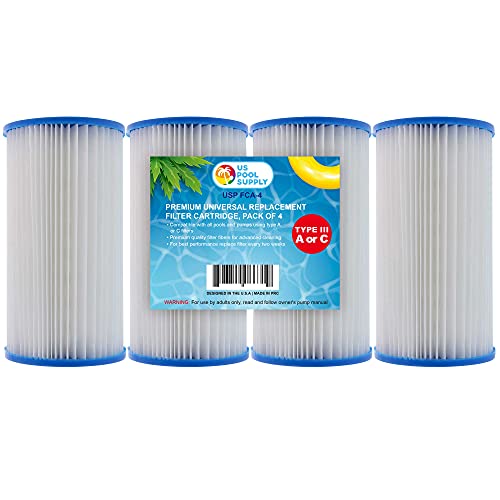
Keep your pool water crystal clear with this 4-pack of universal Type A/C filter cartridges. These durable, easy-to-replace filters provide superior cleaning for pumps ranging from 530 to 2,000 GPH.
Backwash filters every 7-14 days based on pressure gauge readings and manufacturer guidelines. Replace filter cartridges or media according to specific timelines for your filter type. Regular filter maintenance prevents system failures during peak operating periods and ensures effective water filtration.
What safety equipment is required for community pools?
Post clear rules covering diving restrictions, running policies, food limitations, and capacity limits in visible areas. Maintain certified lifeguards during all operational hours following recommended ratios. Ensure emergency equipment is accessible and functional, with regular testing and staff training on proper usage protocols.
Do I need certified staff to operate a community pool?
Yes, at least one Certified Pool Operator (CPO) must be on duty during operating hours to meet local health codes. This certification covers chemical handling, equipment operation, and safety protocols. Renewal is required periodically, and additional staff should receive regular training on standard operating procedures.
How should I adjust maintenance during peak usage periods?
Increase chemical treatment frequency during high-traffic times like summer weekends to counteract higher contaminant levels. Double skimming frequency and schedule vacuum sessions immediately after peak periods. Track usage patterns to plan maintenance efforts effectively and maintain water clarity throughout busy periods.
What weekly maintenance tasks are essential for community pools?
Conduct weekly checks of pool pumps and motors for debris and unusual noises. Monitor total alkalinity and calcium hardness levels to prevent chemical imbalances. Inspect safety equipment monthly and perform seasonal servicing of heating and circulation equipment to maintain efficiency and prevent unexpected failures.