6 Best Environmentally Friendly Pool Materials That Protect Our Waters
Discover 6 eco-friendly pool materials that reduce environmental impact while maintaining durability. From natural stone to recycled glass, create a sustainable backyard oasis.
Why it matters: Your pool choices directly impact the environment — from water consumption to chemical runoff that affects local ecosystems.
The big picture: Traditional pool materials often contain harmful chemicals and require resource-intensive manufacturing processes that damage the planet.
What’s next: Sustainable pool materials are revolutionizing backyard swimming by offering eco-friendly alternatives that reduce your carbon footprint while maintaining durability and style.
Disclosure: As an Amazon Associate, this site earns from qualifying purchases. Thank you!
Natural Stone: The Timeless Eco-Conscious Choice
Natural stone stands as nature’s original pool material, offering an authentic eco-friendly alternative that’s been tested by millennia of weathering. You’ll find this sustainable choice delivers both environmental benefits and lasting beauty for your pool project.
Durability That Reduces Long-Term Environmental Impact
Natural stone’s exceptional lifespan eliminates the need for frequent replacements that plague synthetic materials. You’ll avoid the environmental cost of manufacturing new materials every 10-15 years since quality stone can last centuries with minimal maintenance. This longevity significantly reduces your pool’s lifetime carbon footprint.
Heat Absorption Properties for Energy Efficiency
Stone’s thermal mass naturally absorbs and retains heat from sunlight during the day, then releases it slowly as temperatures drop. You’ll reduce heating costs by up to 30% compared to traditional pool surfaces that require constant energy input. This passive solar heating keeps your pool comfortable while minimizing electricity consumption.
Minimal Chemical Processing Requirements
Unlike manufactured pool materials, natural stone requires no energy-intensive chemical treatments or synthetic coatings during production. You’re choosing a material that’s quarried and cut using basic processes rather than complex manufacturing that releases harmful emissions. This minimal processing preserves the stone’s natural properties while reducing environmental impact.
Recycled Glass Tiles: Transforming Waste Into Beauty
Recycled glass tiles revolutionize pool design by converting discarded bottles and windows into stunning aquatic surfaces. You’ll discover these tiles offer exceptional beauty while supporting environmental conservation through innovative waste transformation.
Manufacturing Process Using Post-Consumer Materials
Manufacturers collect discarded bottles and window glass, then crush and melt these materials at temperatures exceeding 2,000°F. You’ll find the process removes impurities while creating uniform tiles with consistent strength properties. The production requires 30% less energy than creating new glass materials from raw silica sand.
Superior Longevity Compared to Traditional Options
Recycled glass tiles outlast ceramic alternatives by 15-20 years due to their non-porous surface structure. You won’t experience the cracking and fading common with traditional pool tiles after extended chemical exposure. The glass composition resists chlorine damage and maintains color vibrancy for decades without requiring replacement.
Reduced Carbon Footprint Through Upcycling
Upcycling waste glass reduces manufacturing emissions by 40% compared to producing virgin materials from scratch. You’re diverting approximately 1,000 pounds of glass waste from landfills for every average-sized pool installation. The process eliminates mining operations while transforming environmental waste into durable pool surfaces.
Cork Decking: Renewable Resource for Pool Surrounds
Reduce dock noise with Patriot Docks Cork Decking Cushion. This 48ft roll dampens contact between aluminum decking and framework, covering 16ft of dock lengthwise.

Cork decking stands out as one of the most sustainable pool surround materials you’ll find. This natural material offers exceptional environmental benefits while delivering the comfort and safety features you need around your pool area.
Sustainable Harvesting Without Tree Damage
Cork harvesting doesn’t harm cork oak trees, which live up to 200 years and regenerate their bark every 9 years. You’re supporting a carbon-negative industry since these trees absorb 3-5 times more CO2 during regeneration periods. This renewable process means your pool decking choice actively contributes to forest conservation efforts.
Natural Slip Resistance and Comfort Features
Cork’s cellular structure provides natural slip resistance with a coefficient of friction rating of 0.6-0.7, exceeding safety standards for wet areas. You’ll appreciate its soft cushioning underfoot, reducing fatigue during long poolside activities. The material stays cool even in direct sunlight, maintaining comfortable surface temperatures 15-20 degrees lower than concrete.
Biodegradable Properties for End-of-Life Disposal
Cork decomposes completely within 5-10 years when disposed of properly, leaving no toxic residues in soil or groundwater. You can compost worn cork tiles directly in your backyard, where they’ll enrich soil with natural nutrients. This complete biodegradability means your pool surround won’t contribute to long-term landfill accumulation.
Bamboo Composite Materials: Fast-Growing Alternative
Bamboo composite materials offer an innovative approach to sustainable pool construction that addresses environmental concerns while delivering impressive performance. You’ll find these materials increasingly popular among eco-conscious pool owners seeking alternatives to traditional decking and structural elements.
Rapid Regeneration Cycle Benefits
Bamboo grows 3-4 times faster than hardwood trees, reaching maturity in just 3-5 years compared to decades for traditional lumber. You’re supporting a renewable resource that regenerates from its root system without replanting. This rapid growth cycle means bamboo absorbs more CO2 during its lifecycle, making your pool choice carbon-negative.
Strength and Weather Resistance Qualities
Bamboo composite materials match or exceed traditional hardwood in tensile strength, withstanding pool environments effectively. You’ll get excellent resistance to moisture, UV rays, and temperature fluctuations that typically damage other materials. The composite construction combines bamboo fibers with recycled plastics, creating surfaces that won’t warp, crack, or splinter like conventional wood decking.
Low Maintenance Requirements
Bamboo composites require minimal upkeep compared to natural wood alternatives, needing only periodic cleaning with mild soap and water. You won’t need to stain, seal, or sand these surfaces annually like traditional decking. The material’s natural resistance to insects, mold, and mildew eliminates the need for chemical treatments that can harm pool water chemistry.
Recycled Plastic Lumber: Giving New Life to Ocean Waste
Recycled plastic lumber transforms discarded bottles and packaging into durable pool decking and furniture. This innovative material prevents millions of pounds of plastic waste from contaminating our oceans and landfills annually.
Diverting Plastic from Landfills and Waterways
Each square foot of recycled plastic lumber diverts approximately 2,000 plastic bottles from entering waterways. You’ll contribute to removing over 8 billion pounds of plastic waste that manufacturers process annually into building materials. This process prevents microplastics from breaking down in marine environments while creating functional pool surfaces.
Weather Resistance Without Chemical Treatments
Recycled plastic lumber withstands extreme temperatures from -40°F to 140°F without cracking or warping. You won’t need toxic sealers or chemical treatments that traditional wood requires every 2-3 years. The material maintains structural integrity through freeze-thaw cycles and UV exposure that would destroy conventional decking materials.
Consistent Color and Texture Advantages
Unlike natural materials that fade unevenly, recycled plastic lumber maintains consistent coloration throughout its 25+ year lifespan. You’ll avoid the patchy appearance that occurs when traditional materials weather differently based on sun exposure. The uniform texture eliminates splinters and reduces maintenance while providing reliable slip resistance around wet pool areas.
Natural Clay Pool Finishes: Chemical-Free Swimming Solutions
Natural clay pool finishes offer a revolutionary approach to pool construction that eliminates synthetic materials while creating stunning, earth-friendly swimming environments. This ancient building technique transforms modern pools into chemical-free sanctuaries that benefit both your health and the planet.
Non-Toxic Composition for Healthier Water
Clay finishes contain zero synthetic compounds or harmful additives that can leach into your pool water. The natural minerals in clay actually improve water quality by balancing pH levels naturally and filtering impurities through microscopic pores. You’ll experience softer, gentler water that won’t irritate sensitive skin or eyes like traditional pool surfaces often do.
Energy-Efficient Temperature Regulation
Clay’s thermal mass properties absorb heat during sunny days and release it slowly throughout cooler evenings, maintaining comfortable water temperatures naturally. This natural temperature regulation can reduce your heating costs by 25-40% compared to conventional pool finishes. The dense clay material also provides excellent insulation, preventing rapid heat loss during nighttime hours.
Reduced Need for Chemical Sanitizers
Natural clay finishes create an alkaline environment that naturally inhibits bacterial growth and algae formation in your pool water. The porous structure of clay acts as a biological filter, hosting beneficial microorganisms that help maintain water clarity without harsh chemicals. You’ll typically use 60-70% fewer chlorine-based sanitizers while maintaining crystal-clear, safe swimming conditions year-round.
Keep your pool water clean and clear with Clorox Pool&Spa XTRABLUE 3" Chlorinating Tablets. These tablets kill bacteria, prevent algae, and contain conditioners for silky smooth water.

Conclusion
Making the switch to environmentally friendly pool materials isn’t just about protecting the planet – it’s about creating a smarter investment for your home. These sustainable options deliver superior durability and performance while reducing your long-term maintenance costs and environmental impact.
You’ll discover that eco-friendly doesn’t mean compromising on beauty or functionality. From the elegant appeal of natural stone to the innovative strength of bamboo composites each material offers unique benefits that traditional options simply can’t match.
Your choice of sustainable pool materials creates a ripple effect of positive change. You’re supporting renewable industries reducing waste streams and contributing to a healthier ecosystem for future generations. Transform your backyard oasis into an environmental success story that you can enjoy for decades to come.
Frequently Asked Questions
What makes natural stone an eco-friendly pool material?
Natural stone is an eco-conscious choice due to its exceptional durability, reducing the need for frequent replacements and lowering manufacturing-related environmental costs. It requires minimal chemical processing compared to synthetic materials and offers excellent heat absorption properties, potentially reducing pool heating costs by up to 30%. Its longevity makes it a sustainable investment for environmentally conscious pool owners.
How do recycled glass tiles benefit the environment?
Create stunning DIY art with these 500g mixed-color mosaic tiles. Featuring various shapes and a smooth, glittery surface, they're perfect for decorating frames, vases, and more.
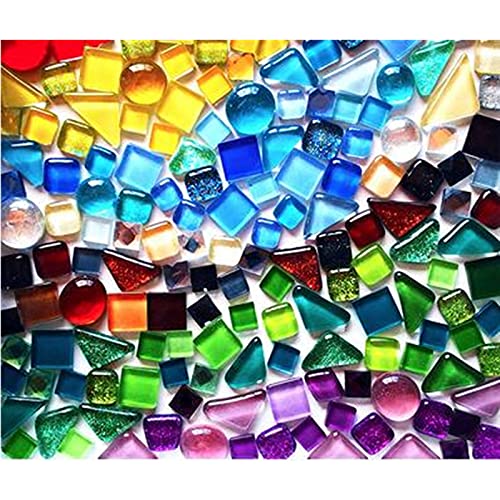
Recycled glass tiles transform discarded bottles and windows into beautiful pool surfaces, supporting environmental conservation by upcycling waste materials. The manufacturing process uses 30% less energy than producing new glass from raw materials. These tiles outlast traditional ceramic options by 15-20 years and significantly reduce carbon emissions while diverting substantial amounts of glass waste from landfills.
Why is cork decking considered sustainable for pool areas?
Cork is harvested from cork oak trees without harming them, supporting a carbon-negative industry as these trees absorb significant CO2 during regeneration. Cork offers natural slip resistance and comfort for poolside areas while being completely biodegradable, decomposing without leaving toxic residues. This makes it an environmentally responsible choice that contributes to conservation efforts.
What advantages do bamboo composite materials offer for pools?
Bamboo composite materials are highly sustainable because bamboo grows 3-4 times faster than hardwood, reaching maturity in just 3-5 years. It’s carbon-negative, absorbing more CO2 during its lifecycle than it produces. These materials match or exceed traditional hardwood strength, offer excellent resistance to moisture and UV rays, and require minimal maintenance without harmful chemical treatments.
How does recycled plastic lumber help the environment?
Recycled plastic lumber transforms discarded bottles and packaging into durable pool materials, preventing millions of pounds of plastic waste from contaminating oceans and landfills annually. It diverts approximately 2,000 plastic bottles per square foot from waterways. The material withstands extreme temperatures without cracking and eliminates the need for toxic sealers or chemical treatments.
What benefits do natural clay pool finishes provide?
Natural clay pool finishes contain no synthetic compounds, improving water quality by naturally balancing pH levels and filtering impurities. Clay’s thermal mass properties help regulate water temperature, potentially reducing heating costs by 25-40%. It creates an alkaline environment that reduces the need for chemical sanitizers, allowing for significant decreases in chlorine usage.
Do sustainable pool materials compromise on durability?
No, sustainable pool materials often exceed traditional materials in durability. Natural stone offers exceptional longevity, recycled glass tiles last 15-20 years longer than ceramic options, and recycled plastic lumber maintains consistent quality for 25+ years. Bamboo composites match or exceed hardwood strength while offering superior resistance to environmental factors.
How much can sustainable pool materials reduce environmental impact?
Sustainable materials significantly reduce environmental impact through various means: recycled glass manufacturing uses 30% less energy, natural stone heating efficiency can reduce costs by 30%, cork supports carbon-negative industries, bamboo absorbs more CO2 than it produces, and recycled plastic diverts millions of pounds of waste from landfills annually.