7 Ways How to Introduce Kids to Deep Water Slowly That Every Parent Should Know
Learn proven techniques to safely introduce kids to deep water. Gradual methods, safety tips, and confidence-building activities for swimming success.
The big picture: Teaching your child to feel comfortable in deep water doesn’t happen overnight—it’s a gradual process that requires patience and the right approach.
Why it matters: Rushing kids into deep water can create lasting fears and set back their swimming progress for years. A slow methodical introduction builds confidence and creates strong swimmers who actually enjoy being in the water.
What you’ll learn: We’ll walk you through proven techniques that swimming instructors use to help children transition from shallow water comfort to deep water confidence safely and effectively.
Disclosure: As an Amazon Associate, this site earns from qualifying purchases. Thank you!
Start With Shallow Water Comfort
The foundation of deep water confidence starts where your child’s feet can touch the bottom. Building comfort in shallow environments creates the security needed for eventual deep water success.
Build Confidence in Kiddie Pools
Kiddie pools offer controlled environments where children can explore water movements without overwhelming depth. Fill the pool to knee-deep levels so kids can easily stand and sit. Let them splash, pour water with cups, and practice blowing bubbles on the surface. This hands-on exploration builds positive water associations while maintaining complete control over their experience.
Practice Basic Water Skills in Bathtubs
Bathtubs provide perfect spaces for introducing fundamental water skills in familiar surroundings. Encourage your child to put their face near the water surface and blow bubbles. Practice pouring water over their head using a cup while they look up. These simple activities teach breath control and water tolerance without the intimidation factor of larger bodies of water.
Use Sprinklers and Water Tables for Fun
Water your lawn or garden effectively with the Eden Oscillating Sprinkler. It covers up to 3,600 sq. ft. with 16 precision nozzles and features a durable, sealed turbo drive motor for smooth operation.
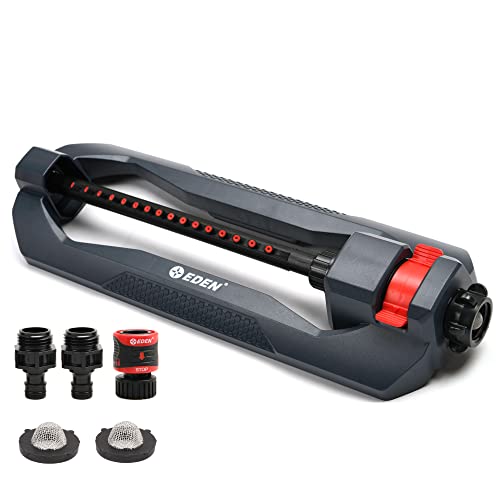
Sprinklers and water tables create playful water experiences that don’t feel like swimming lessons. Set up sprinklers in your yard so kids can run through and splash around freely. Water tables let children experiment with pouring, scooping, and splashing at their own pace. These activities build comfort with water on their face and body while keeping the experience light and enjoyable.
Teach Essential Water Safety Rules First
Before your child ever steps into deeper water, you need to establish non-negotiable safety rules that’ll keep them protected. These fundamentals create the mental framework that prevents dangerous situations from escalating.
Establish the Buddy System
Never let your child swim alone – this rule applies even in shallow water where they can stand comfortably. Teach them to always have a designated buddy who stays within arm’s reach and maintains visual contact at all times.
Practice buddy checks where they learn to account for their partner’s location every few minutes. This habit becomes automatic and transfers seamlessly when they progress to deeper water activities.
Explain Pool Rules and Boundaries
Set clear physical boundaries using pool landmarks like the rope line, ladder, or specific depth markers as reference points. Your child should understand exactly where they’re allowed to swim and where the “off-limits” zones begin.
Establish simple rules like “no running on deck” and “enter feet-first only” that apply universally. These consistent expectations prevent dangerous behaviors before they become habits that are harder to break later.
Practice Emergency Signals and Commands
Teach your child to respond immediately to “freeze” and “come here” commands – these signals can prevent emergencies before they develop. Practice these responses during calm moments so they become instinctive reactions.
Show them how to signal for help by raising one arm straight up and calling “help” in a clear, loud voice. Role-play scenarios where they practice these signals so they’ll remember them under stress.
Introduce Floating Devices Gradually
You’ll need to strategically introduce floating devices to build your child’s confidence without creating dependency. This gradual approach helps children develop natural buoyancy skills while maintaining safety in deeper water.
Begin With Coast Guard Approved Life Jackets
This clear storage bag contains four US Coast Guard-approved adult life jackets for convenient storage and boating safety. The Type II vests fit adults 90+ lbs with adjustable straps and provide essential flotation.

Start with properly fitted Coast Guard approved life jackets that keep your child’s head well above water. These devices provide maximum security while allowing arm and leg movement for swimming motions. Choose jackets with bright colors and comfortable straps that won’t chafe during extended wear.
Transition to Pool Noodles and Kickboards
Enjoy effortless floating with the WOW First Class Pool Noodle. Its soft, ribbed foam provides a comfortable, non-slip grip, while the durable, UV-resistant design ensures long-lasting use.

Move to pool noodles and kickboards once your child demonstrates comfort with life jackets in deeper water. These devices offer targeted support while encouraging active swimming movements and balance development. Pool noodles work particularly well for practicing floating positions and basic strokes.
Reduce Flotation Support Over Time
Gradually decrease flotation assistance by removing one device at a time or switching to smaller supports. You can progress from full noodles to half noodles, then to kickboards held at arm’s length. This systematic reduction helps children recognize their natural buoyancy without sudden loss of security.
Practice Basic Swimming Skills in Shallow Areas
Building solid swimming fundamentals in shallow water creates the foundation your child needs before venturing into deeper areas. This controlled environment lets them focus on technique without depth-related anxiety.
Master Blowing Bubbles and Face Submersion
Start with bubble-blowing games at the water’s edge where your child feels completely secure. Demonstrate how to put your mouth just under the surface and blow steady streams of bubbles.
Progress to brief face dips once they’re comfortable with mouth submersion. Count to three together while their face goes under, gradually increasing the duration as their confidence builds naturally.
Develop Proper Kicking Techniques
Position your child on the pool edge or have them hold the wall while practicing flutter kicks. Their legs should stay relatively straight with toes pointed and movement coming from the hips.
Encourage consistent, rapid kicks that create small splashes rather than big, slow movements. Practice sessions of 15-20 seconds help build muscle memory without causing fatigue or frustration.
Learn Basic Arm Movements and Coordination
Teach the basic freestyle arm motion while your child stands in waist-deep water. Show them how to reach forward, pull through the water, and recover above the surface.
Practice one arm at a time initially, then combine both arms in alternating strokes. Focus on smooth, controlled movements rather than speed, emphasizing how their arms work together to move them forward through the water.
Use the Progressive Depth Method
The progressive depth method transforms anxious kids into confident swimmers by gradually increasing water depth in small, manageable increments. This systematic approach prevents overwhelming children while building their skills at each level.
Start at Waist-Deep Water Levels
Begin your child’s deep water journey at waist-deep levels where they can still stand comfortably with their head well above water. This depth provides security while introducing the sensation of water pressure around their torso.
Practice floating on their back and front while maintaining the ability to quickly stand up. Focus on building confidence through controlled movements and breathing exercises before progressing deeper.
Move to Chest-Deep Areas Slowly
Advance to chest-deep water only after your child demonstrates comfort at waist level through multiple sessions. This depth challenges their balance while still allowing them to push off the bottom if needed.
Encourage treading water for short 10-15 second intervals with your support nearby. Practice proper breathing techniques and floating positions while maintaining close supervision and encouragement.
Advance to Shoulder-Deep Water When Ready
Progress to shoulder-deep areas when your child can confidently float and tread water in chest-deep sections without showing signs of panic or distress. This final transition requires patience and careful assessment of readiness.
Support them through brief swimming attempts while staying within arm’s reach. Allow them to practice diving down to touch the bottom, building confidence in their ability to navigate varying depths safely.
Build Confidence Through Fun Activities
Games and playful activities transform deep water from a scary challenge into an exciting adventure. When children associate deeper water with fun rather than fear, they naturally develop the confidence needed for independent swimming.
Play Simple Water Games
Marco Polo works perfectly in shoulder-deep water where kids can still touch bottom while stretching their comfort zone. The game encourages movement and water navigation without focusing on the depth itself.
Red Light, Green Light helps children practice stopping and starting in deeper water while maintaining control. You can also try Simon Says with swimming movements like floating, treading, or gentle kicks.
Incorporate Favorite Toys and Floaties
Dive rings and sinkable toys motivate children to venture into deeper areas to retrieve treasures. Start with toys in chest-deep water, then gradually move them to shoulder-deep areas as confidence grows.
Pool noodles become magic wands, horses, or lightsabers that make deeper water feel like a playground. Kickboards transform into surfboards or rescue boats, turning swimming practice into imaginative adventures.
Create Positive Associations With Deep Water
Celebrate small victories when your child ventures into deeper water, even for just a few seconds. High-fives and enthusiastic praise help them remember deep water as a place of success rather than struggle.
Share the experience by swimming alongside them in deeper areas, showing that deep water is where the real fun happens. Your calm presence and enjoyment become their roadmap for confidence.
Recognize Signs of Readiness for Deeper Water
Before advancing to deeper water, you’ll need to observe specific behaviors that indicate your child has developed the confidence and skills necessary for the next level.
Watch for Comfortable Independent Movement
Your child should move freely in chest-deep water without constantly reaching for the wall or your hand. They’ll demonstrate this readiness by walking, jumping, and playing in shoulder-deep areas without panic or hesitation.
Look for relaxed body language and natural movement patterns. Children who are ready won’t cling to the pool edge or freeze when their feet can’t touch the bottom.
Look for Confident Underwater Skills
Ready children can hold their breath underwater for 5-10 seconds and retrieve objects from the pool floor. They’ll open their eyes underwater without distress and blow bubbles consistently through their nose and mouth.
Watch for smooth transitions between floating and standing positions. Your child should demonstrate controlled breathing patterns and show no signs of panic when water covers their face completely.
Ensure Strong Swimming Foundation
Your child needs to float independently for at least 30 seconds and tread water briefly without assistance. They should demonstrate coordinated arm and leg movements while maintaining proper body position in the water.
Consistent stroke mechanics and the ability to change direction while swimming indicate readiness. Children should also show they can recover from unexpected submersion and return to a safe floating position.
Address Common Fears and Anxieties
Fear of deep water runs deeper than most parents realize. It’s not just about the water itself – it’s about losing control, feeling helpless, and facing the unknown.
Validate Child’s Emotions and Concerns
Acknowledge your child’s fears without dismissing them as silly or irrational. Listen actively when they express worries about deep water, and use phrases like “I understand why that feels scary” to validate their emotions. Share your own childhood water fears or how you overcame similar anxieties to normalize their experience and build trust.
Use Gradual Exposure Techniques
Start by having your child simply sit at the pool’s edge with feet dangling in deeper water. Progress to standing in chest-deep water while holding your hands, then move to brief supported floating experiences. Each exposure should last only minutes, allowing your child to process the experience without overwhelming their nervous system.
Celebrate Small Victories and Progress
Recognize every milestone, from the first time they put their face underwater to successfully floating for three seconds. Create a visual progress chart or take photos to document their journey from shallow to deep water confidence. Your enthusiasm becomes their motivation, transforming anxiety into excitement about reaching the next achievement.
Maintain Constant Adult Supervision
Deep water supervision isn’t just watching from the sidelines—it’s active, engaged protection that can mean the difference between a safe swimming experience and a dangerous situation.
Stay Within Arm’s Reach at All Times
Position yourself close enough to physically touch your child instantly. I’ve seen too many incidents happen in the few seconds it takes to reach across a pool deck.
Water emergencies unfold in 20-30 seconds, leaving no time for running or diving in from a distance. Your proximity creates an immediate safety net that gives children confidence while ensuring their protection.
Learn Proper Spotting Techniques
Master the art of supporting without interfering with your child’s swimming progress. Keep your hands positioned just below their torso, ready to provide instant support without actually touching unless needed.
Watch their breathing patterns and body position closely—these tell you when assistance is required. Proper spotting maintains their independence while ensuring safety, building confidence through supported practice rather than restrictive hovering.
Know CPR and Water Rescue Skills
Every supervising adult should complete current CPR certification before children enter deep water. Drowning can happen silently and quickly, often without the dramatic splashing portrayed in movies.
Learn to recognize true distress signals: vertical body position, inability to call for help, and instinctive drowning response behaviors. These skills transform you from a passive observer into an effective first responder who can act decisively when seconds count.
Create a Safe Learning Environment
Creating the right environment sets the foundation for successful deep water introduction. You’ll want to control every variable possible to maximize your child’s comfort and safety.
Choose Appropriate Pool Conditions
Pool temperature between 78-82°F keeps kids comfortable and prevents shivering that builds anxiety. Avoid windy days that create surface chop and unpredictable water movement. Choose times with minimal pool traffic to reduce distractions and potential collisions with other swimmers.
Ensure Clear Water Visibility
Crystal clear water lets you monitor your child’s position and movements at all times. You should be able to see the bottom drain clearly from poolside. Murky or cloudy water creates unnecessary anxiety and prevents proper supervision of underwater activities.
Remove Potential Hazards and Distractions
Clear floating toys, pool noodles, and equipment from the immediate learning area to prevent entanglement. Remove or secure loose pool covers, cleaning equipment, and diving boards that could pose risks. Turn off pool features like fountains or jets that create unpredictable water movement during lessons.
Conclusion
Teaching your child to feel confident in deep water doesn’t happen overnight but it’s one of the most valuable skills you can help them develop. By following these proven techniques and maintaining patience throughout the process you’re setting your child up for a lifetime of water safety and enjoyment.
Remember that every child progresses at their own pace and what matters most is building their confidence gradually while keeping safety as your top priority. The techniques you’ve learned here will help transform what could be a scary experience into an exciting milestone in your child’s swimming journey.
With consistent practice proper supervision and a focus on making the experience positive your child will soon be swimming confidently in deep water. Trust the process celebrate the small wins and watch as your little one develops both the skills and confidence they need to be safe around water for years to come.
Frequently Asked Questions
When should I start teaching my child to feel comfortable in deep water?
Start with shallow water activities where your child can touch the bottom before progressing to deeper areas. Begin with kiddie pools, bathtubs, and sprinkler play to build basic water comfort. Only move to deep water once your child demonstrates confidence in chest-deep water, can float independently, and shows coordinated swimming movements.
What are the essential water safety rules I should teach my child?
Teach the buddy system – never swim alone and always have a designated buddy nearby. Establish clear pool rules and boundaries using physical markers to define safe areas. Practice emergency signals and commands so your child knows how to respond to safety cues and signal for help when needed.
How do I use flotation devices effectively without creating dependency?
Start with Coast Guard approved life jackets that keep your child’s head above water while allowing movement. Progress to pool noodles and kickboards that provide support while encouraging active swimming. Gradually reduce flotation support over time, helping your child recognize their natural buoyancy without sudden loss of security.
What basic swimming skills should my child master in shallow water first?
Focus on bubble-blowing games and brief face dips to enhance comfort with submersion. Practice flutter kicks while holding the pool edge and develop basic arm movements in waist-deep water. Emphasize smooth, controlled movements to build confidence before advancing to deeper areas.
How does the progressive depth method work?
Start at waist-deep levels where your child can stand comfortably, practicing floating and controlled movements. Move to chest-deep water for treading and breathing exercises with close supervision. Advance to shoulder-deep areas only when your child can confidently float and tread water independently.
What fun activities can help my child feel more confident in deep water?
Incorporate games like Marco Polo and Red Light, Green Light to make deeper water enjoyable. Use favorite toys like dive rings and pool noodles to motivate exploration. Celebrate small victories and swim alongside your child to create positive associations with deep water.
How do I know if my child is ready for deeper water?
Look for comfortable independent movement in chest-deep water, confident underwater skills, and a strong swimming foundation. Your child should be able to float independently, tread water briefly, and demonstrate coordinated swimming movements before advancing to deeper areas.
How can I help my child overcome their fear of deep water?
Validate their emotions by acknowledging their fears and sharing personal experiences. Use gradual exposure techniques, starting with sitting at the pool’s edge and progressing to brief floating experiences. Celebrate small victories like putting their face underwater or floating independently.
What kind of safe learning environment should I create?
Maintain pool temperature between 78-82°F and ensure clear water visibility. Remove potential hazards and distractions from the learning area. Control variables like temperature and visibility to maximize your child’s comfort and safety during swimming lessons.
What level of supervision is required when my child is in deep water?
Stay within arm’s reach to provide immediate assistance if needed, as water emergencies unfold quickly. Practice proper spotting techniques to support without hindering progress. Adults should be CPR certified and knowledgeable in water rescue skills while recognizing distress signals.