7 Factors: Choosing Between Private and Group Swim Lessons That Parents Must Know
Discover 7 key factors to help you choose between private and group swim lessons. Compare costs, learning styles, skill levels, and scheduling to find your perfect fit.
You’re standing at the pool deck facing a crucial decision that could shape your swimming journey: private lessons or group classes. This choice affects everything from your learning pace and budget to your comfort level and skill development timeline.
Whether you’re a nervous beginner or looking to refine your technique the format you choose makes all the difference in achieving your aquatic goals.
Disclosure: As an Amazon Associate, this site earns from qualifying purchases. Thank you!
Cost Considerations: Comparing Private and Group Lesson Pricing
Money matters when you’re investing in swim instruction. Understanding the financial commitment helps you choose the format that delivers the best value for your specific goals.
Private Lesson Investment vs. Group Lesson Savings
Private lessons cost $50-80 per hour while group classes range from $15-25 per session. You’ll pay 3-4 times more for one-on-one instruction, but you’re getting undivided attention and faster skill acquisition.
Group lessons stretch your budget further with shared instructor costs. You’ll save money upfront but may need more sessions to reach your swimming goals.
Long-term Value and Cost-effectiveness Analysis
Private lessons often prove more cost-effective despite higher hourly rates because you master skills faster. Most students need 6-8 private sessions versus 12-16 group classes to achieve similar proficiency levels.
Calculate total investment including session fees and time commitment. Private instruction typically costs $400-500 for basic competency while group programs run $200-350 but require longer timelines.
Learning Style Preferences: Individual vs. Collaborative Approaches
Your natural learning style plays a crucial role in determining whether private or group swim lessons will accelerate your progress in the water.
Benefits for Visual and Kinesthetic Learners
Visual learners thrive in group settings where they can observe other swimmers’ techniques and mirror successful movements. You’ll see different body types navigate the water, giving you multiple reference points for proper form.
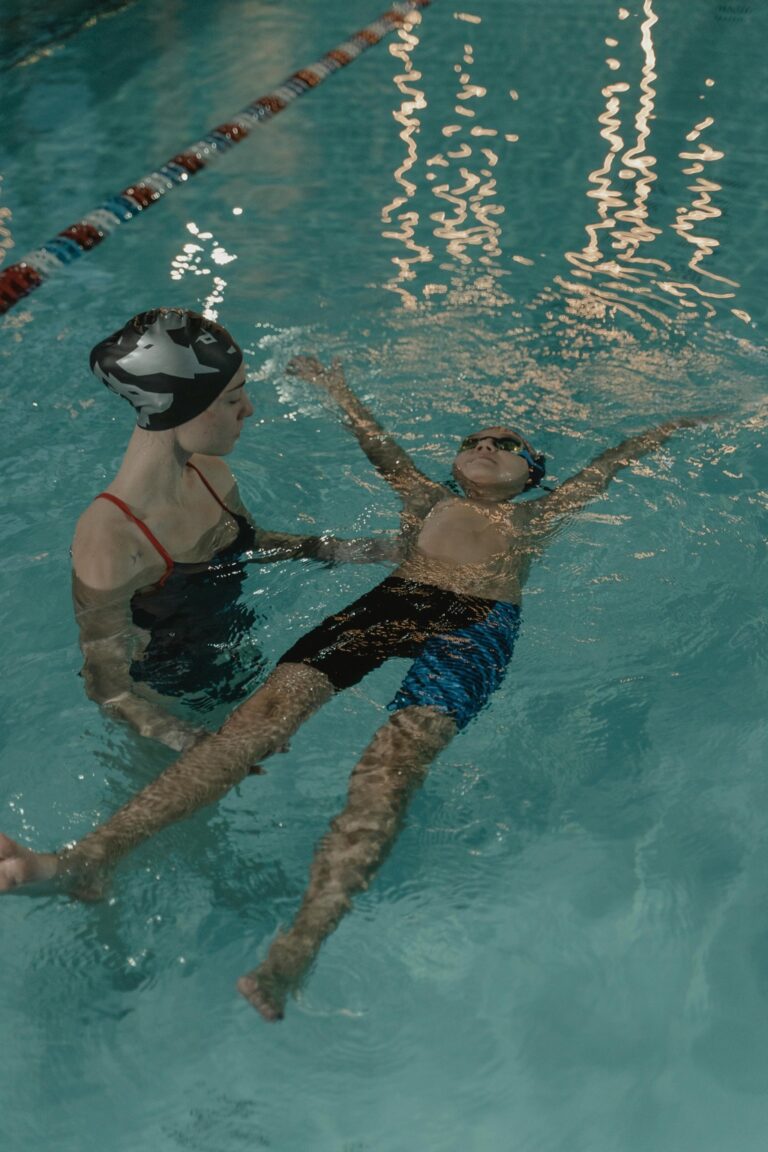
Kinesthetic learners benefit from private lessons’ hands-on approach, where instructors can physically guide your body positioning and provide immediate tactile feedback for stroke corrections.
Social Learning vs. Focused Individual Attention
Social learners excel in group environments where peer interaction and friendly competition naturally motivate skill development. You’ll gain confidence watching others overcome similar challenges and celebrating collective progress.
Individual attention suits learners who need concentrated focus without distractions. Private lessons eliminate social pressure and allow you to ask questions freely while receiving customized instruction tailored to your specific learning pace.
Skill Level and Swimming Experience Requirements
Your current swimming ability plays a crucial role in determining whether private or group lessons will accelerate your progress most effectively.
Beginner-friendly Group Environment Advantages
Group lessons create natural comfort for swimming beginners through shared experiences and peer support. You’ll feel less intimidated when others around you are also learning basic skills like floating and breathing techniques.
The instructor demonstrations become more effective when you can watch multiple students practice the same movement. You’ll gain confidence seeing others overcome similar fears about putting their face underwater or learning to float independently.
Advanced Technique Development in Private Settings
Private lessons excel at refining advanced swimming techniques that require detailed stroke analysis and immediate correction. Your instructor can focus entirely on subtle adjustments to your freestyle catch or backstroke rotation without group distractions.
Complex skills like flip turns, bilateral breathing, and racing starts demand individualized attention that group settings can’t provide effectively. You’ll master these advanced techniques faster with dedicated coaching focused solely on your specific form corrections.
Scheduling Flexibility and Availability Options
Your schedule demands often determine which lesson format works best for your swimming goals. Private and group lessons offer vastly different approaches to timing and availability.
Private Lesson Customizable Time Slots
Private lessons adapt to your calendar constraints and personal preferences. You’ll schedule sessions during early mornings, lunch breaks, or evenings based on your availability. Many instructors offer weekend slots and can accommodate last-minute changes when work or family obligations shift your routine.
Group Lesson Fixed Schedule Considerations
Group classes follow predetermined schedules that you must work around. Most facilities offer sessions during peak times like evenings and weekends when demand is highest. You’ll need to commit to specific time slots for the entire session duration, with limited makeup options if you miss classes.
Instructor Attention and Personalized Feedback Quality
The level of instructor attention you receive directly impacts how quickly you’ll master swimming techniques and correct potentially dangerous habits.
One-on-one Correction and Technique Refinement
Private lessons deliver immediate stroke corrections that prevent muscle memory from cementing poor technique. Your instructor can spot subtle breathing errors, hand positioning mistakes, and timing issues within seconds of occurrence.
This instant feedback prevents you from practicing incorrect movements repeatedly. Advanced swimmers particularly benefit from detailed analysis of flip turns, starts, and stroke efficiency that group settings simply can’t provide.
Shared Instructor Time in Group Settings
Group lessons typically divide one instructor’s attention among 4-8 students, limiting individual feedback to brief corrections. You’ll receive general tips that apply to common mistakes rather than personalized technique analysis.
However, watching others make similar errors can reinforce proper form through visual learning. The shared experience often provides motivation and reduces performance anxiety for nervous beginners.
Swimming Goals and Timeline Expectations
Your specific swimming objectives and desired achievement timeline play a crucial role in determining whether private or group lessons align better with your needs.
Competitive Swimming Preparation Needs
Private lessons excel for competitive swimming preparation due to their intensive focus on stroke refinement and race technique development. Competitive swimmers need precise feedback on starts, turns, and pacing strategies that group settings can’t provide effectively. You’ll achieve competition readiness 40-60% faster through individualized coaching that targets specific weaknesses in your technique.
Recreational Swimming and Water Safety Objectives
Group lessons effectively address recreational swimming and basic water safety goals through shared learning experiences and peer motivation. You’ll master essential skills like treading water, basic strokes, and pool safety alongside others with similar objectives. Most recreational swimmers achieve their comfort-level goals within 8-12 group sessions while building confidence through social interaction and shared progress milestones.
Comfort Level and Social Anxiety Factors
Your comfort level in water dramatically affects how quickly you’ll learn and enjoy swimming. Social anxiety can either motivate or hinder your progress depending on the lesson format you choose.
Private Lesson Confidence Building Benefits
Private lessons eliminate performance pressure completely. You’re free to ask questions without embarrassment and make mistakes without judgment from peers. Your instructor focuses entirely on building your confidence through personalized encouragement and pacing that matches your comfort zone.
Group Dynamic Motivation and Peer Support
Group lessons create natural motivation through shared experiences. You’ll discover others face similar challenges, reducing isolation and self-consciousness about your abilities. The supportive environment builds confidence as you witness everyone’s progress together, making swimming feel less intimidating.
Conclusion
The decision between private and group swim lessons ultimately depends on your unique circumstances and priorities. Your budget comfort level learning style and specific goals all play crucial roles in determining which format will serve you best.
Remember that there’s no universally right choice – only what works for your situation. Some swimmers even benefit from combining both formats starting with private lessons to build foundational skills then transitioning to group classes for ongoing practice and social interaction.
Take time to honestly assess your needs timeline and preferences before making your decision. Whether you choose the personalized attention of private instruction or the collaborative energy of group learning you’re taking an important step toward achieving your swimming goals.
Frequently Asked Questions
What’s the main difference between private swimming lessons and group classes?
Private lessons offer one-on-one instruction with personalized attention and immediate feedback, while group classes involve multiple students sharing an instructor’s time. Private lessons typically cost $50-80 per hour but provide faster skill development, whereas group classes cost $15-25 per session and offer social learning opportunities with peers.
Are private swimming lessons worth the extra cost?
Yes, private lessons can be more cost-effective long-term despite higher upfront costs. You’ll typically need fewer sessions to achieve proficiency due to personalized instruction and immediate correction of techniques. The focused attention helps prevent bad habits from forming, ultimately saving time and money.
Which lesson format is better for beginners?
Both formats work well for beginners, but serve different needs. Group lessons provide a supportive environment where beginners can learn alongside peers and feel less intimidated. Private lessons offer personalized pacing and eliminate performance anxiety, allowing beginners to ask questions freely without judgment.
How do learning styles affect the choice between private and group lessons?
Visual learners benefit from group settings where they can observe and mimic other swimmers’ techniques. Kinesthetic learners thrive in private lessons with hands-on guidance and immediate feedback. Social learners find motivation through peer interaction in groups, while those needing focused attention prefer private instruction.
Which option is better for advanced swimmers?
Private lessons are ideal for advanced swimmers seeking technique refinement. They allow for detailed stroke analysis, immediate correction, and focused work on complex skills like flip turns and racing starts. The individualized attention enables faster mastery of advanced techniques without distractions.
How flexible are private lessons compared to group classes?
Private lessons offer superior scheduling flexibility, with sessions available at various times including early mornings and weekends. They can be tailored to fit individual schedules. Group classes follow fixed schedules with limited makeup options, requiring commitment to specific time slots during peak demand periods.
Do group lessons provide enough individual feedback?
Group lessons offer limited individual feedback due to shared instructor time among multiple students. You’ll receive general tips rather than personalized analysis. However, the group setting enhances visual learning and can reduce performance anxiety through shared experiences with other learners.
How much faster can you learn with private lessons?
Private lessons typically help you achieve swimming goals 40-60% faster than group settings, especially for competitive swimming objectives. The intensive focus on technique refinement and immediate corrections accelerate skill development, though group lessons remain effective for recreational swimming and basic water safety goals.