7 Creative Ideas to Insulate Your Pool That Slash Heating Bills Year-Round
Discover 7 ingenious ways to insulate your pool, from solar covers to floating pods, and extend your swimming season while cutting heating costs. Save money and swim longer with these practical solutions.
Looking to extend your swimming season without breaking the bank? Proper pool insulation can dramatically reduce heating costs while keeping your water at the perfect temperature year-round. When traditional methods don’t cut it, these seven creative insulation solutions will transform how you maintain your pool’s warmth.
You’ll discover everything from DIY options that cost just a few dollars to innovative technologies worth the investment. These techniques work for both in-ground and above-ground pools, giving you practical solutions regardless of your setup.
Disclosure: As an Amazon Associate, this site earns from qualifying purchases. Thank you!
7 Creative Ideas to Insulate Your Pool for Year-Round Enjoyment
- Solar Pool Covers – Solar covers trap heat while preventing evaporation, effectively insulating your pool and reducing heating costs by up to 70%. These bubble-wrap-like covers capture solar energy during daylight hours and prevent nighttime heat loss, extending your swimming season by several weeks on both ends.
- Liquid Solar Covers – These innovative chemical solutions form an invisible layer on your pool’s surface that reduces evaporation by up to 40%. Simply pour the prescribed amount into your pool, and the biodegradable molecules spread across the surface to trap heat while allowing swimmers to use the pool unimpeded.
- Solar Rings and Squares – For those wanting flexibility with partial coverage, solar rings provide modular insulation that’s easy to deploy and remove. These floating discs cover approximately 80% of the surface area when properly arranged, allowing you to quickly adjust coverage based on weather conditions or pool usage.
- Windproof Pool Enclosures – Installing a permanent or semi-permanent enclosure creates a greenhouse effect, raising water temperatures by 10-15°F without additional heating. These structures block wind (a major source of heat loss), trap solar radiation, and allow for comfortable swimming even during cooler months.
- Insulated Pool Blankets – Unlike basic solar covers, premium insulated blankets feature multiple layers of heat-trapping materials that can maintain water temperatures overnight. These heavy-duty options offer superior insulation, reducing heat loss by up to 95% when properly fitted to your pool’s dimensions.
- In-Ground Pool Insulation Panels – For new pool construction or renovation, installing rigid foam insulation panels along the walls and floor provides significant thermal benefits. These panels create a thermal barrier between the cool ground and your pool water, reducing heat transfer and lowering energy costs by 20-30% annually.
- Heat-Retention Additives – Specialized pool chemicals can improve water’s heat retention properties by altering its molecular structure. These additives work at the microscopic level to help water molecules hold thermal energy longer, complementing other insulation methods and reducing temperature fluctuations throughout the day.
Using Solar Blankets to Trap Heat and Reduce Evaporation
This lightweight 200W solar blanket delivers high-efficiency power in a compact, foldable design. Featuring 25% efficient N-type cells and multiple USB ports, it's perfect for charging power stations, batteries, and devices on the go.

How Solar Blankets Work to Maintain Pool Temperature
Solar blankets work by capturing the sun’s heat through thousands of tiny air bubbles that float on your pool’s surface. These bubbles act as magnifying lenses, directing sunlight into your pool water while creating an insulating barrier that prevents heat from escaping. Most solar blankets can increase water temperature by 10-15°F and reduce evaporation by up to 95%, dramatically cutting your heating costs and water consumption.
Choosing the Right Solar Blanket for Your Pool Size and Shape
Select a solar blanket that’s slightly larger than your pool for complete coverage, as you can always trim it to fit perfectly. Thickness matters—blankets range from 8 to 16 mil, with thicker options providing better insulation but less solar heating. For irregularly shaped pools, consider custom-cut blankets or overlapping multiple rectangular ones. Blue blankets maximize heat transfer while clear blankets allow deeper light penetration for warming lower water layers.
Installing Liquid Solar Covers for Invisible Protection
Save water, chemicals, and energy with Aqua Blanket liquid pool cover. It reduces evaporation by up to 40% and helps maintain pool heat, extending your swimming season.

Liquid solar covers offer a unique approach to pool insulation that’s virtually undetectable to swimmers. Unlike physical covers, these innovative solutions work at the molecular level to trap heat while allowing unobstructed pool access.
Benefits of Molecular Barrier Technology
Liquid solar covers form an invisible, microscopic film that reduces evaporation by up to 40%. This molecular barrier prevents heat escape without affecting water chemistry or creating physical obstacles. You’ll appreciate the seamless protection that maintains water temperature while allowing continuous pool enjoyment without the hassle of removing and replacing physical covers daily.
Application Methods for Maximum Effectiveness
Pour the liquid solar cover directly into your skimmer for even distribution throughout your pool. Most formulations require only weekly application, making them incredibly low-maintenance. You’ll get optimal results by applying during calm weather conditions and maintaining proper chemical balance in your pool water. For larger pools, consider dividing the recommended dosage into bi-weekly smaller applications.
Creating Windbreaks Around Your Pool Area
Shield yourself from wind and create a private space with this portable windscreen. The flame-retardant Oxford cloth is easy to carry, set up, and shape for camping, picnics, and beach outings.

Wind is one of the biggest culprits of heat loss in swimming pools, dramatically increasing evaporation rates and cooling your water faster than almost any other factor.
Natural Windbreak Options with Strategic Landscaping
Strategic landscaping creates both beauty and functionality around your pool area. Dense evergreen shrubs like arborvitae or cypress trees planted 5-10 feet from your pool’s edge form effective natural windbreaks. Consider multi-layered plantings with varying heights—tall trees backed by medium shrubs—to deflect wind from multiple angles while enhancing your pool’s aesthetic appeal.
Temporary and Permanent Barrier Solutions
For immediate protection, portable privacy screens or decorative lattice panels can block wind while complementing your outdoor décor. These temporary solutions allow for seasonal adjustment based on prevailing winds. For permanent options, consider glass wind barriers that maintain your view while blocking 90% of cooling breezes, or solid decorative walls that integrate seamlessly with your landscape design and provide year-round wind protection.
Upgrading to an Energy-Efficient Pool Heater
Enjoy comfortable pool temperatures year-round with this 16,000 BTU heat pump. It heats or cools pools up to 5,000 gallons efficiently, operating quietly with an easy 10-minute installation.

Heat Pump Technology for Consistent Temperature Control
Enjoy year-round comfort with the Midea 12,000 BTU Smart Inverter Air Conditioner. This Energy Star certified unit cools up to 550 sq ft and features smart control via app or voice assistants.

Heat pumps are revolutionizing pool heating by extracting warmth from surrounding air and transferring it to your pool water. These systems operate at 600% efficiency compared to traditional gas heaters, using just 1kW of electricity to generate 6kW of heat. Modern heat pumps feature smart controls that maintain precise temperatures while automatically adjusting operation based on weather conditions, dramatically reducing your monthly energy costs.
Solar Heater Options for Eco-Friendly Warming
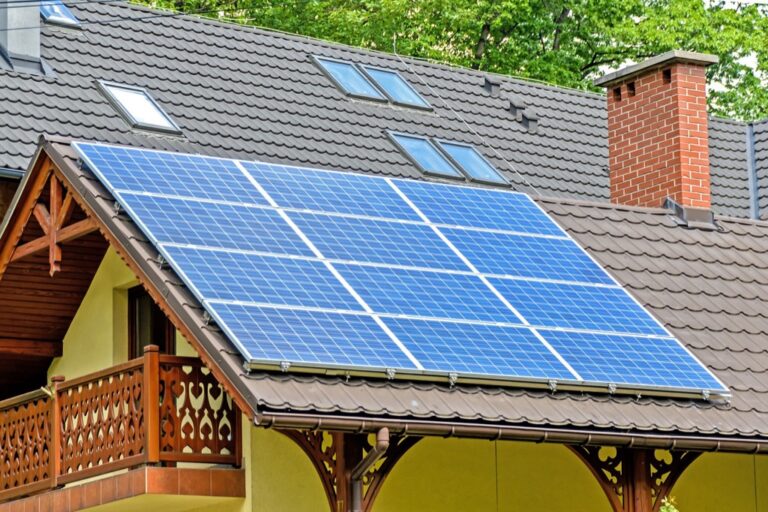
Solar heaters harness free sunlight to warm your pool, cutting energy costs by up to 80% compared to gas heaters. These systems pump water through solar collectors where it’s warmed before returning to your pool. Available in both rigid panels (for rooftops) and flexible mats (for ground installation), they’re sized based on your pool’s surface area, typically requiring collectors equal to 50-75% of your pool’s square footage for optimal performance.
Building a DIY Pool Enclosure or Greenhouse Structure
Keep children and pets safe with this durable 4ft x 48ft removable pool fence. Constructed with strong Teslin mesh and stainless steel tubes, it's easy to install and provides a reliable barrier for any backyard pool.

Cost-Effective Materials for Pool Enclosures
PVC piping offers an affordable foundation for DIY pool enclosures, costing 70% less than professional installations. Consider heavy-duty greenhouse plastic sheeting (6-mil thickness) for the covering, which provides excellent insulation at $0.15-0.25 per square foot. Repurposed windows or polycarbonate panels can create stunning semi-permanent structures while aluminum framing balances durability with manageable weight for seasonal setups.
Designing for Both Insulation and Aesthetics
Create a dual-purpose structure with sliding panels that open for summer and close for cooler seasons. Incorporate UV-resistant polycarbonate that allows 90% light transmission while trapping heat effectively. Add decorative trim, plant-friendly ledges, and integrated lighting to transform your enclosure from purely functional to a stunning focal point. Position doors strategically for both practical access and to showcase garden vistas.
Adding Dark-Colored Pool Liners to Absorb Heat
How Dark Surfaces Maximize Solar Heat Retention
Dark-colored pool liners work like natural heat magnets for your swimming pool. They absorb up to 90% of solar radiation that hits the water, converting it directly into thermal energy. Unlike light-colored liners that reflect sunlight away, black and navy blue liners capture those rays efficiently. This passive heating method can raise your pool temperature by 5-8°F without any additional energy costs.
Best Materials for Heat-Absorbing Pool Liners
Vinyl liners in midnight blue or black offer the best heat absorption while remaining affordable at $1,500-$3,000 for installation. Premium options include textured PVC composites that combine durability with superior heat retention capabilities. For maximum effectiveness, choose liners with UV-resistant coatings that prevent fading and extend the material’s heat-absorbing lifespan to 8-10 years. These specialized coatings ensure consistent performance even with constant sun exposure.
Implementing Floating Insulation Pods or Spheres
How Floating Insulators Reduce Heat Loss
Floating insulation pods work by creating multiple barriers that trap heat in your pool water. These spherical devices cover the water’s surface, significantly reducing evaporation—the primary cause of heat loss. Unlike traditional covers, these pods allow sunlight to penetrate while still forming thermal pockets that maintain water temperature. The spherical shape maximizes surface coverage efficiency, with studies showing they can reduce heating costs by 50-70%.
Strategic Placement for Optimal Thermal Retention
Position floating insulation spheres to cover at least 70% of your pool’s surface area for maximum effectiveness. Focus coverage near return jets and skimmers where water circulation causes the most heat loss. For irregularly shaped pools, use varying pod sizes to ensure comprehensive coverage around curved edges and corners. During windy conditions, add additional pods to areas where wind creates surface disturbance, as these zones experience accelerated evaporation and heat dissipation.
Conclusion: Combining Methods for Ultimate Pool Insulation Success
Implementing these seven creative insulation solutions can transform your swimming experience by extending your pool season and reducing energy costs. You’ll get the best results by combining multiple approaches based on your climate local conditions and budget.
Start with affordable options like solar covers or liquid solutions then gradually invest in more permanent features such as windbreaks or energy-efficient heating systems. Remember that even small changes like adding dark-colored liners or floating pods can make a significant difference in heat retention.
By thoughtfully layering these insulation strategies you’ll create a more energy-efficient pool environment that stays comfortable longer throughout the year. The initial investment in proper insulation quickly pays for itself through reduced heating costs and more enjoyable swim time with family and friends.
Frequently Asked Questions
How do solar pool covers work to retain heat?
Solar pool covers work by capturing and trapping the sun’s heat through thousands of tiny air bubbles that act like miniature magnifying glasses. These bubbles direct sunlight into your pool while creating an insulating barrier that prevents heat from escaping. Solar covers can increase water temperature by 10-15°F and reduce evaporation by up to 95%, making them one of the most effective and affordable pool insulation options available.
Are liquid solar covers safe for swimmers?
Yes, liquid solar covers are completely safe for swimmers. These biodegradable formulas create an invisible, molecular-level barrier on the water’s surface that reduces evaporation by up to 40%. They don’t affect water chemistry, are non-toxic, and automatically reform after swimming. Unlike physical covers, liquid solutions allow continuous pool access while still providing effective insulation benefits.
How much can I save on heating costs with proper pool insulation?
With proper pool insulation, you can reduce heating costs by 50-70%. Solutions like solar blankets, liquid covers, and windbreaks work together to minimize heat loss and maximize solar gain. An insulated pool requires less energy to maintain comfortable swimming temperatures, which translates to significant savings on your utility bills, especially when combined with energy-efficient heating systems.
What’s the most affordable DIY pool insulation option?
A solar blanket (bubble cover) is the most affordable DIY option, typically costing $75-200 depending on size. This simple solution can reduce heating costs by up to 70% by preventing evaporation and trapping solar heat. For even lower initial costs, liquid solar covers start around $20-30 per month and require minimal effort—just pour the solution into your skimmer weekly to maintain protection.
How do heat-retention additives work in pool water?
Heat-retention additives work by altering water’s molecular structure to enhance its ability to absorb and retain thermal energy. These special polymers or mineral compounds are added directly to pool water, where they increase thermal mass without changing water chemistry or clarity. While less effective than physical barriers, these additives can improve heat retention by 15-25% when used as part of a comprehensive insulation strategy.
Can I install pool insulation panels to my existing in-ground pool?
Installing insulation panels to an existing in-ground pool is challenging but possible. It requires excavating around the pool’s perimeter to access the outer wall—a labor-intensive process. A more practical alternative is adding exterior foam board insulation around accessible sections of the pool wall above ground level, particularly on the sides exposed to prevailing winds, which can still provide noticeable heat retention benefits.
Do dark-colored pool liners really make a difference in water temperature?
Yes, dark-colored pool liners significantly impact water temperature. Dark liners absorb up to 90% of solar radiation compared to just 60-70% for light colors, raising water temperature by 5-8°F naturally. Midnight blue or black vinyl liners are most effective for heat absorption. This passive solar heating method works best in sunny locations and pairs excellently with other insulation methods for maximum temperature control.
How do wind barriers help with pool heat retention?
Wind barriers prevent heat loss by blocking air movement across your pool’s surface, which is responsible for up to 30% of total heat loss through evaporation and convection. Strategic placement of dense shrubs, decorative screens, glass panels, or solid walls around the pool area creates a microclimate that maintains higher ambient temperatures. Effective wind barriers can reduce heating costs by 10-20% while also enhancing privacy.
What’s the difference between floating insulation pods and traditional solar covers?
Floating insulation pods offer more flexibility than traditional solar covers. While solar blankets provide complete coverage, pods can be arranged to cover specific areas or adjusted for irregular pool shapes. Pods allow some water access without removing the entire cover and permit better water circulation. However, they’re generally less effective at preventing evaporation (70-80% reduction versus 95% with solar blankets) but easier to handle for daily use.
Is it worth upgrading to an energy-efficient pool heater?
Absolutely. Modern energy-efficient pool heaters, particularly heat pumps, operate at up to 600% efficiency compared to traditional gas heaters. While the initial investment is higher ($2,500-5,000), these systems can reduce operating costs by 50-80%. With smart controls that optimize performance based on weather conditions and pool usage patterns, an energy-efficient heater typically pays for itself within 2-3 seasons through utility savings.