7 Best Multi-Purpose Pool Shock Products That Transform Cloudy Water
Discover the 7 best multi-purpose pool shock products that eliminate bacteria, algae, and contaminants while restoring chemical balance—all in one application for crystal-clear swimming water.
Maintaining crystal-clear pool water requires the right shock treatment to eliminate bacteria, algae, and other contaminants that can turn your swimming oasis into a murky mess. Multi-purpose pool shock products offer an efficient solution by sanitizing your water, destroying organic compounds, and restoring proper chemical balance in one easy application.
Whether you’re battling green water, cloudy conditions, or simply performing routine maintenance, choosing the right shock product can make all the difference in keeping your pool swim-ready with minimal effort.
Disclosure: As an Amazon Associate, this site earns from qualifying purchases. Thank you!
Understanding Pool Shock: Why It’s Essential for Pool Maintenance
Pool shock is a concentrated form of chlorine or non-chlorine chemicals that rapidly raises the free chlorine level in your pool water to eliminate contaminants. Unlike regular chlorine treatments, shock delivers a powerful “shock” of sanitizing agents that destroy bacteria, algae, and organic compounds that regular chlorination might miss.
When you shock your pool, you’re essentially performing a deep cleanse that oxidizes contaminants through a chemical reaction. This process breaks down chloramines (combined chlorine) that cause irritation and unpleasant odors, restoring your sanitizer’s effectiveness and maintaining proper water chemistry.
Regular shocking prevents algae blooms, eliminates bacteria that cause recreational water illnesses, and maintains crystal-clear water that’s safe for swimming. Most pool professionals recommend shocking weekly during peak swimming season and after heavy usage, storms, or when water appears cloudy or develops an odor.
Multi-purpose shock products offer advantages over traditional shock by addressing multiple water quality issues simultaneously. They typically contain sanitizers, algaecides, clarifiers, and pH balancers in a single formulation, saving you time and ensuring proper chemical balance without purchasing separate treatments.
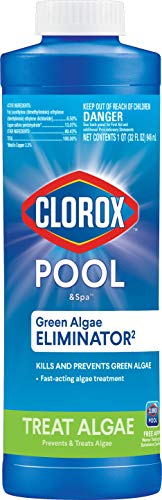
Keep your pool crystal clear with Clorox Pool&Spa Algaecide. This non-foaming formula quickly eliminates existing algae and prevents future growth in all pool types, including saltwater.
7 Best Multi-Purpose Pool Shock Products for Crystal Clear Water
When it comes to maintaining pristine pool water, choosing the right shock treatment is essential. These top multi-purpose products deliver exceptional results while addressing multiple water issues simultaneously.
In The Swim Cal-Hypo Pool Shock
This powerful 68% calcium hypochlorite formula delivers fast-acting sanitization with 65% available chlorine. Its quick-dissolving granules work rapidly to eliminate bacteria, algae, and contaminants while boosting free chlorine levels. Perfect for weekly maintenance or addressing stubborn cloudy water situations.
DryTec 1-Inch Chlorinating Tablets
These slow-dissolving tablets provide consistent, long-lasting chlorination with 90% available chlorine. They’re ideal for routine maintenance, working through floating dispensers to maintain proper sanitization levels. Each tablet treats up to 10,000 gallons and contains built-in clarifiers for crystal-clear results.
Clorox Pool&Spa Shock XtraBlue
This concentrated formula combines powerful shock treatment with algae-fighting properties and water clarifiers. Its enhanced blue formula doesn’t just sanitize—it actively prevents algae growth while reducing cloudiness. The pre-measured packets eliminate guesswork and dissolve quickly without leaving residue.
Leisure Time Spa 56 Chlorinating Granules
Specifically formulated for spas and small pools, these granules deliver 56% available chlorine with rapid dissolution. They effectively eliminate bacteria and contaminants without harsh chemical odors. Their pH-neutral formula works exceptionally well for regular maintenance without disrupting water balance.
HTH Super Shock Treatment
Quickly restore your pool's clarity with HTH Super Shock. This treatment kills bacteria and algae, prevents fading, and works in all pool types. Each pack contains fifteen 1-lb bags.
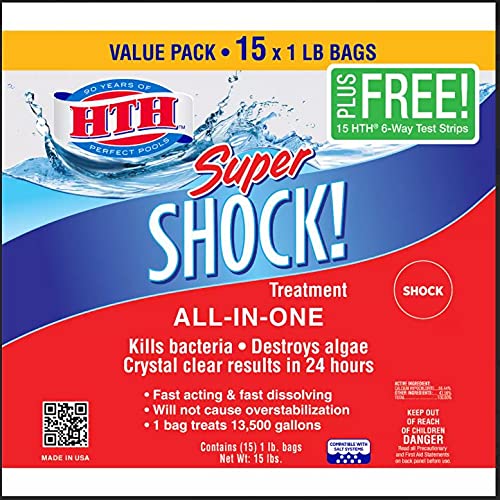
This fast-acting formula kills bacteria and algae within 24 hours while clarifying cloudy water. Its concentrated calcium hypochlorite delivers 52% available chlorine for powerful oxidation of organic contaminants. The pre-measured packets make application straightforward for pools up to 13,500 gallons.
Aqua Clear Pool Shock Plus
This multi-functional product combines powerful shock treatment with clarifiers and algaecides in one formula. It effectively eliminates bacteria while preventing algae blooms and improving water clarity. The quick-dissolving powder leaves no residue and allows for swimming within 15 minutes of application.
Zappit 73% Cal Hypo Pool Shock
Delivering industry-leading 73% available chlorine, this premium shock treatment provides maximum sanitizing power. Its enhanced formula destroys bacteria, kills algae, and eliminates organic contaminants while improving water clarity. The fast-dissolving granules work quickly with minimal calcium residue.
How to Choose the Right Pool Shock for Your Needs
Selecting the right pool shock can make all the difference between a crystal-clear pool and ongoing water issues. With various options available, understanding what your pool specifically needs is crucial for effective maintenance.
Understanding Different Types of Pool Shock
There are three main types of pool shock products available:
- Calcium Hypochlorite (Cal-Hypo): Contains 65-75% available chlorine, works quickly, and is ideal for dealing with severe algae problems.
- Dichlor: Contains 56-62% available chlorine with stabilizer, perfect for regular maintenance and vinyl pools.
- Non-Chlorine Shock: Uses potassium monopersulfate, great for weekly maintenance without increasing chlorine levels.
Each type serves different purposes, from aggressive sanitizing to gentle, regular maintenance treatments.
Factors to Consider When Selecting a Product
- Pool Size and Type: Concrete, vinyl, and fiberglass pools have different chemical sensitivities and requirements.
- Current Water Condition: Green or cloudy water needs stronger treatment than routine maintenance.
- Weather Conditions: Hot, sunny weather demands more frequent shocking with stabilized products.
- Frequency of Use: Heavy pool usage requires more powerful and frequent shock treatments.
- Desired Swimming Time: Some products allow swimming in as little as 15 minutes, while others require 24-hour waiting periods.
Proper Application Techniques for Maximum Effectiveness
Timing Your Pool Shock Treatment
Always shock your pool during evening hours when the sun has set to prevent UV rays from degrading the chemicals. Apply shock after heavy pool usage, rainstorms, or when you notice algae beginning to form. For regular maintenance, establish a weekly shocking schedule during summer months and bi-weekly during cooler seasons. This timing maximizes the shock’s effectiveness while minimizing chemical loss.
Safety Precautions During Application
Never mix different shock products as this can create dangerous chemical reactions. Always wear protective gear including gloves, safety goggles, and closed-toe shoes when handling shock chemicals. Ensure proper ventilation during application and keep children and pets away from the pool area. Store unused shock in a cool, dry place away from other pool chemicals to prevent accidental mixing or contamination.
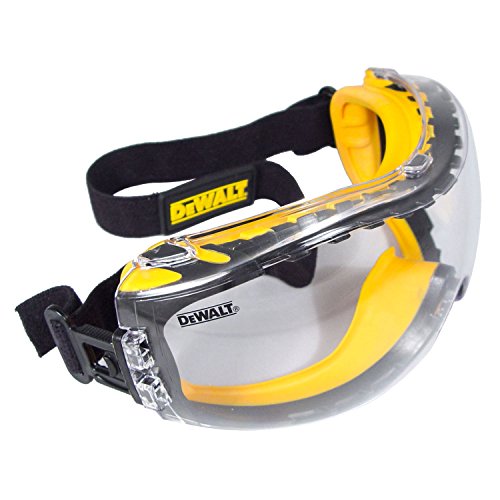
Get reliable eye protection with the DEWALT Concealer Safety Goggle. Its anti-fog, scratch-resistant lens and soft, dual-injected rubber seal keep out dust and debris for clear, comfortable vision.
Step-by-Step Application Process
- Test your water chemistry first to determine exact shocking needs and adjust pH to 7.2-7.6 for optimal effectiveness.
- Calculate the correct dosage based on your pool volume and follow manufacturer’s instructions precisely.
- Pre-dissolve granular shock in a clean bucket of water before adding to prevent damage to pool surfaces.
- Add the shock solution by walking around the pool’s perimeter, pouring it evenly into deep areas.
- Run your pool pump continuously for 8-12 hours after shocking to ensure complete circulation.
- Retest water chemistry before swimming to confirm chlorine levels have returned to safe ranges (1-3 ppm).
Measuring the Right Amount
For standard maintenance shocking, use 1 pound of shock per 10,000 gallons of water. Increase to 2 pounds per 10,000 gallons when addressing algae problems or after heavy pool use. Multi-purpose products may require different measurements, so always check the product label for specific dosing guidelines. Using too little won’t effectively sanitize your water, while using too much wastes product and can create uncomfortable swimming conditions.
Post-Application Pool Care
Wait at least 8 hours after shocking before swimming to allow chlorine levels to decrease to safe ranges (1-3 ppm). Keep your pool pump running continuously after application to ensure proper chemical distribution. Monitor water clarity and test chemical levels the day after shocking to confirm effectiveness. Brush pool walls and floor 24 hours after treatment to remove any dead algae or biofilm that the shock treatment loosened.
Keep your pool water clean and clear with the Intex C1000 Filter Pump. It features Hydro-Aeration Technology for improved circulation and uses an easy-to-clean Type A filter cartridge.

Maintaining Water Balance After Shocking Your Pool
After shocking your pool, maintaining proper water balance is crucial for both swimmer safety and equipment longevity. Your post-shock maintenance routine should include testing and adjusting key water parameters to ensure optimal swimming conditions. Here’s how to maintain perfect water chemistry after using those powerful shock treatments:
Test and Adjust pH Levels
Your pool’s pH level often fluctuates after shocking, typically becoming more acidic. Test your water 24 hours after shocking using a reliable testing kit, aiming for a pH between 7.2 and 7.6. If levels are too low (acidic), add pH increaser according to package directions. For high pH (alkaline), apply pH decreaser in measured amounts. Balanced pH prevents eye irritation, equipment corrosion, and ensures your sanitizer works effectively.
Raise your spa's pH to protect equipment and ensure bather comfort. This granular formula gradually increases pH levels, preventing corrosion.

Restore Alkalinity Balance
Total alkalinity acts as a buffer for pH, keeping it stable despite external factors. After shocking, test alkalinity levels and adjust to 80-120 ppm for vinyl or fiberglass pools or 100-140 ppm for concrete/plaster pools. Low alkalinity can be corrected with alkalinity increaser, while high alkalinity requires gradually adding acid. Proper alkalinity prevents pH bounce and protects pool surfaces from damage.
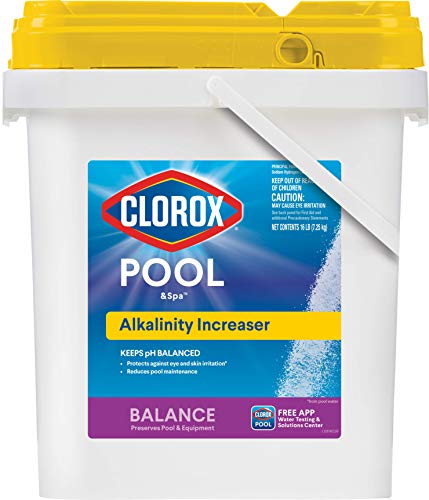
Balance your pool's pH with Clorox Alkalinity Increaser. This granulated formula dissolves quickly to prevent equipment corrosion and swimmer irritation.
Monitor Calcium Hardness
Shocking can affect calcium hardness levels, particularly with calcium hypochlorite products. Test calcium hardness 24-48 hours after shocking, maintaining 200-400 ppm for vinyl/fiberglass pools or 200-450 ppm for concrete/plaster pools. Add calcium hardness increaser if levels are too low to prevent equipment damage. For high calcium levels, partially drain and refill your pool with fresh water.
Check Stabilizer Levels
Cyanuric acid (stabilizer) protects chlorine from UV degradation. After shocking, ensure stabilizer levels remain between 30-50 ppm for outdoor pools. Dichlor-based shock products add stabilizer with each application, so monitor levels closely to prevent over-stabilization. If levels exceed 100 ppm, dilution through partial water replacement is your only solution.
Balance Free Chlorine Levels
Once shock treatments dissipate (typically 24-48 hours), test free chlorine levels and adjust to 1-3 ppm for residential pools. Add regular chlorine if levels drop below 1 ppm. If chlorine remains too high, wait longer before swimming or use chlorine neutralizer for urgent situations. Maintaining proper chlorine levels prevents algae growth while ensuring safe swimming conditions.
Check Total Dissolved Solids
Regular shocking contributes to TDS buildup over time. Test TDS levels monthly, aiming to keep them below 2,500 ppm. High TDS reduces chemical effectiveness and makes water appear dull. When TDS exceeds recommended levels, partial water replacement is necessary to restore water quality and chemical efficiency.
Maintain Regular Testing Schedule
Establish a consistent water testing routine following shock treatments. Test all parameters twice weekly during peak swimming season and after heavy pool use or rainfall. Keep a log of test results to track trends and anticipate necessary adjustments. Regular monitoring prevents minor issues from developing into major problems requiring additional shock treatments.
Conclusion: Keeping Your Pool Clean and Safe Year-Round
Armed with knowledge about these top multi-purpose pool shock products you’re now equipped to make the best choice for your swimming pool needs. The right shock treatment will save you time money and frustration by efficiently tackling multiple water issues at once.
Remember that regular shocking is essential to maintaining pristine water conditions especially during heavy usage periods. By following proper application techniques and maintaining balanced water chemistry after treatment you’ll enjoy a sparkling clean and safe swimming environment.
Choose a product that fits your specific pool requirements and maintenance schedule. Your perfect swimming experience is just one shock treatment away!
Frequently Asked Questions
What is pool shock and why is it necessary?
Pool shock is a concentrated form of chlorine or non-chlorine chemicals that rapidly raises free chlorine levels. It’s necessary because it eliminates bacteria, algae, and organic contaminants that regular chlorination might miss. Pool shocking destroys chloramines (which cause irritation and odors), restores sanitizer effectiveness, and helps maintain crystal-clear water that’s safe for swimming.
How often should I shock my pool?
You should shock your pool at least once every 1-2 weeks during the swimming season. Increase frequency during heavy usage periods, after rainstorms, high temperatures, or if you notice algae growth beginning. Many pool professionals recommend shocking after every major pool party or event. During peak summer months, weekly shocking is ideal for preventative maintenance.
What’s the difference between multi-purpose shock and regular shock?
Multi-purpose shock combines several water treatment functions in one product, including sanitizing, algae prevention, water clarification, and pH balancing. Regular shock focuses primarily on sanitizing the water by raising chlorine levels. Multi-purpose products save time and effort by addressing multiple water quality issues simultaneously, making them more convenient for regular pool maintenance.
Can I swim immediately after shocking my pool?
No, you should wait until the chlorine levels return to safe swimming ranges (1-3 ppm). For calcium hypochlorite (cal-hypo) shock, wait at least 8 hours. Dichlor shock typically requires 4-6 hours. Non-chlorine shock allows for swimming in as little as 15-30 minutes. Always test the water before resuming swimming to ensure chemical levels are safe.
What type of pool shock is best for green or cloudy water?
Calcium Hypochlorite (Cal-Hypo) is the most effective shock for treating green or cloudy water. With 65-75% available chlorine, it provides aggressive sanitizing power to kill algae and eliminate organic contaminants causing cloudiness. For severe cases, use a double or triple dose as recommended on the product label, followed by proper filtration and possibly an algaecide treatment.
Should I shock my pool in the morning or evening?
Evening is the best time to shock your pool. Adding shock during daylight hours exposes the chemicals to UV rays, which quickly degrade chlorine and reduce effectiveness by up to 50%. Shocking in the evening allows the chemicals to work throughout the night without UV interference, maximizing their sanitizing power and giving them time to fully circulate.
How do I calculate the right amount of shock for my pool?
Calculate your pool volume first (length × width × average depth × 7.5 for rectangular pools). Most shock products specify dosage per 10,000 gallons. For regular maintenance, follow label instructions (typically 1 pound per 10,000 gallons). For algae treatment or after heavy use, double the dosage. Always read and follow the specific product recommendations for accurate dosing.
What should I do after shocking my pool?
After shocking, run your pool filter for at least 8-12 hours to ensure proper circulation and distribution of chemicals. Test and balance your water chemistry within 24 hours, adjusting pH (7.2-7.6), alkalinity (80-120 ppm), and calcium hardness (200-400 ppm) as needed. Monitor clarity and chlorine levels before allowing swimming. Regular maintenance afterward will help maintain the benefits of shocking.