7 Ways to Reduce Pool Pump Noise That Neighbors Will Thank You For
Discover 7 effective solutions to quiet your noisy pool pump, from vibration pads to acoustic enclosures. Enjoy a peaceful backyard oasis while maintaining crystal-clear waters.
Is your peaceful backyard oasis being disrupted by the constant drone of your pool pump? That annoying mechanical hum can turn relaxing poolside moments into frustrating experiences, especially during quiet evenings or early mornings.
You don’t have to choose between maintaining your pool and enjoying tranquility. With some strategic adjustments and smart solutions, you can significantly reduce your pool pump‘s noise level while maintaining optimal functionality for your swimming pool.
Disclosure: As an Amazon Associate, this site earns from qualifying purchases. Thank you!
1. Understanding the Sources of Pool Pump Noise
Keep your pool water clean and clear with the Intex C1000 Filter Pump. It features Hydro-Aeration Technology for improved circulation and uses an easy-to-clean Type A filter cartridge.

Before you can effectively reduce pool pump noise, you need to identify exactly what’s causing it. Pool pumps generate different types of sounds based on various factors, and pinpointing the specific source is crucial for implementing the right solution.
Common Causes of Noisy Pool Pumps
Pool pumps typically make noise due to mechanical vibrations, cavitation (air bubbles in water), bearing failures, or improper mounting. Motor problems including worn bearings or loose components often create distinct rattling sounds. Environmental factors like hard surfaces around the pump can amplify noise by reflecting and intensifying sound waves.
How to Identify What’s Making Your Pump Loud
Listen carefully to determine if your pump makes grinding, humming, or rattling noises. Grinding typically indicates bearing issues, while rattling suggests loose parts. Check for vibrations by placing your hand on the pump while running. Inspect for proper water levels, as low water can cause cavitation. Examine mounting brackets for stability and look for any obvious signs of damage.
2. Installing Vibration-Absorbing Pads Under Your Pump
Reduce appliance noise and protect your floors with MyLifeUNIT anti-vibration pads. Made from durable EVA material, these non-skid pads easily install under washing machines, dryers, and treadmills for added stability.

Best Materials for Anti-Vibration Pads
Rubber pads offer excellent vibration absorption for pool pumps at an affordable price. Neoprene compounds provide superior durability against pool chemicals and weather conditions. EVA foam pads combine lightweight properties with effective noise reduction. Cork-rubber composites deliver natural dampening abilities while resisting water damage. Choose thicker pads (at least 1/2 inch) for maximum noise reduction with heavier pumps.
Enjoy a clean and clear pool with this 4-in-1 shock treatment! It quickly kills bacteria and algae, reduces chlorine odor, and restores water clarity without adding CYA, making it suitable for all pool types.

Step-by-Step Installation Guide
- Turn off your pump and disconnect the power supply for safety.
- Carefully lift the pump using a pry bar or get assistance from another person.
- Clean the mounting surface thoroughly to remove debris.
- Place vibration pads under each corner of the pump base.
- Lower the pump gently onto the pads, ensuring equal weight distribution.
- Secure any mounting bolts without overtightening, which could compress pads.
3. Building an Acoustic Enclosure for Your Pool Pump
Effective Sound-Dampening Materials
Building an effective acoustic enclosure starts with selecting the right sound-dampening materials. Mass-loaded vinyl offers excellent noise blocking capabilities while remaining resistant to moisture and chemicals. Acoustic foam panels absorb sound waves rather than reflecting them, reducing echo within the enclosure. Weatherproof insulation boards provide both thermal and acoustic benefits, protecting your pump while minimizing noise transmission through the enclosure walls.
Design Considerations for Proper Ventilation
Your pool pump requires adequate airflow to prevent overheating, making ventilation a critical design element. Install multiple ventilation openings with acoustic baffles that allow air to flow while blocking sound waves. Position vents on opposite sides of the enclosure to create cross-ventilation, enhancing cooling efficiency. Select weather-resistant vent covers with sound-dampening liners to maintain noise reduction while protecting your pump from the elements.
4. Upgrading to a Variable-Speed Pool Pump
Save energy and optimize pool performance with the AQUASTRONG Variable Speed Pool Pump. Customize speeds up to 8189 GPH and program up to 4 daily time periods for efficient filtration.

Energy Efficiency Benefits
Variable-speed pumps reduce energy consumption by up to 90% compared to single-speed models. They allow you to run your pump at lower speeds for routine filtration, reserving higher speeds only for specific tasks like vacuuming or operating water features. This customization not only slashes your electricity bills but extends the pump’s lifespan, making it a cost-effective investment despite the higher initial price.
How Lower RPMs Reduce Noise Levels
Variable-speed pumps operate significantly quieter because they can run at much lower RPMs than single-speed models. At low speeds (1,000-1,500 RPMs), these pumps produce as little as 45 decibels—comparable to a quiet conversation. The reduced motor strain minimizes vibration, while advanced housing designs in newer models incorporate additional sound-dampening features not found in older single-speed pumps.
5. Properly Mounting and Securing Pump Components
Checking for Loose Bolts and Connections
Loose bolts and connections are primary culprits behind pool pump noise. Inspect all mounting bolts, pipe connections, and housing screws monthly for signs of loosening. Use a wrench to carefully tighten any loose components, but avoid overtightening which can damage threads or crack plastic parts. Remember that pool equipment naturally vibrates, causing fasteners to gradually loosen over time, especially after seasonal maintenance.
Aligning Pump and Motor Correctly
Proper alignment between the pump and motor reduces friction and minimizes noise. Check that the motor shaft and impeller are perfectly aligned by removing the pump lid and inspecting for any wobbling during operation. If misalignment exists, loosen the mounting bolts, adjust the position until centered, then re-tighten gradually in a star pattern. Misalignment often causes a distinct humming sound that increases under load and generates excessive heat.
6. Installing Water Hammers and Anti-Vibration Hoses
Minimize compressor vibration and heat with the TOPRING QuickLINE flexible stainless steel hose. This 12" x 3/4" NPT hose protects your air piping system and meets ISO 10380 standards.
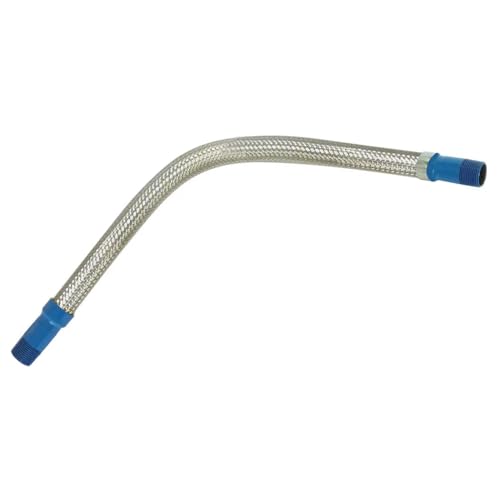
Water hammer arrestors and anti-vibration hoses are game-changers when it comes to reducing pool pump noise. These specialized components absorb pressure fluctuations and vibrations that travel through your plumbing system, significantly decreasing the overall noise level of your pool equipment.
How Water Hammers Reduce Noise
Water hammer arrestors prevent the banging sounds caused by rapidly changing water pressure in your pool’s plumbing system. They work by absorbing hydraulic shock waves that occur when water flow suddenly stops or changes direction. Installing these devices at key points near your pump creates a cushioning effect that dampens noise-producing vibrations before they can travel through the pipes and into your yard.
Choosing the Right Flexible Connections
Anti-vibration hoses provide crucial flexibility between your pump and rigid plumbing. Look for high-quality reinforced rubber hoses specifically designed for pool applications with appropriate pressure ratings. The ideal hoses should have braided stainless steel exteriors for durability while maintaining flexibility. Ensure the diameter matches your existing plumbing perfectly to prevent restrictions that can create additional noise through turbulence.
7. Regular Maintenance to Prevent Noise Issues
Routine maintenance isn’t just about keeping your pool pump functioning properly—it’s a critical strategy for noise reduction. By implementing a regular maintenance schedule, you’ll prevent many noise issues before they start.
Cleaning and Lubricating Moving Parts
Clean your pump basket and impeller monthly to prevent debris accumulation that causes strain and noise. Apply manufacturer-recommended lubricant to O-rings and gaskets every 3-4 months to reduce friction. Remember that dried-out seals create more vibration and noise, while properly lubricated components operate smoothly and quietly.
Replacing Worn Bearings and Impellers
Replace bearings at the first sign of grinding noises—don’t wait until complete failure. A new bearing costs $20-50, while a replacement motor could run $300+. Inspect impellers annually for cracks or wear that create water imbalance and noise. Prompt replacement of these components prevents the escalation of minor sounds into major disruptions.
Conclusion: Enjoying Your Peaceful Poolside Environment
Implementing these seven noise-reduction strategies will transform your pool area into the serene retreat you’ve always wanted. From simple fixes like vibration pads and regular maintenance to more involved solutions like acoustic enclosures or upgrading to variable-speed pumps you now have practical options to address the problem.
Remember that combining multiple approaches often yields the best results. Start with the easiest and most cost-effective methods before moving to more substantial investments.
Your poolside experience shouldn’t be compromised by mechanical noise. With these techniques you’ll enjoy both a properly functioning filtration system and the peaceful ambiance that makes your backyard special. Take action today and rediscover the tranquility of your outdoor oasis.
Frequently Asked Questions
What causes pool pump noise?
Pool pump noise typically comes from mechanical vibrations, cavitation (air bubbles in water), bearing failures, or improper mounting. You might hear grinding sounds (indicating bearing issues) or rattling (suggesting loose parts). Vibrations, improper water levels, and unstable mounting brackets are common culprits. Identifying the specific type of noise is the first step toward implementing an effective solution.
How effective are vibration-absorbing pads for reducing pump noise?
Vibration-absorbing pads are highly effective at reducing pool pump noise. Made from materials like rubber, neoprene, EVA foam, or cork-rubber composites, these pads absorb vibrations before they transfer to surrounding surfaces. They’re also durable against pool chemicals. When properly installed under the pump, they can significantly decrease noise levels while ensuring proper weight distribution.
Can an acoustic enclosure really make my pool pump quieter?
Yes, an acoustic enclosure can dramatically reduce pool pump noise. When built with sound-dampening materials like mass-loaded vinyl (for blocking noise) and acoustic foam panels (for absorbing sound), enclosures effectively contain pump noise. The key is proper design with adequate ventilation using multiple openings with acoustic baffles to ensure airflow while minimizing sound transmission.
Are variable-speed pool pumps quieter than single-speed models?
Absolutely. Variable-speed pumps operate much quieter, producing as little as 45 decibels at low RPMs compared to the louder single-speed pumps. They create less vibration and incorporate advanced sound-dampening features. As a bonus, they can reduce energy consumption by up to 90%, allowing lower-speed operation during routine filtration and extending the pump’s lifespan.
How often should I check for loose connections on my pump?
Inspect your pool pump’s connections monthly. Loose bolts and connections are primary noise culprits. Regular tightening of mounting bolts, pipe connections, and housing screws can significantly reduce noise. Also check the alignment between pump and motor to prevent friction-related noise. Proper alignment ensures they’re centered, preventing excessive humming and heat generation.
What are water hammer arrestors and do they reduce pump noise?
Protect your washing machine from damaging water hammer with this stainless steel arrestor. Features 3/4" swivel FHT x 3/4" MHT connections and can be installed in any direction.

Water hammer arrestors are devices that prevent banging sounds caused by rapid water pressure changes. They work by absorbing hydraulic shock waves within your pool plumbing system. When installed properly, these simple devices can eliminate the startling banging noises that often occur when pumps turn on or off, significantly contributing to a quieter pool environment.
How do anti-vibration hoses help with pump noise?
Anti-vibration hoses provide flexibility between your pump and plumbing system, effectively reducing vibration transfer. These reinforced rubber hoses absorb vibrations that would otherwise travel through rigid pipes and create noise. For best results, select high-quality hoses with appropriate pressure ratings that can withstand pool chemicals while providing optimal noise reduction.
How does regular maintenance affect pool pump noise levels?
Regular maintenance significantly reduces noise issues. A routine schedule should include cleaning the pump basket and impeller to prevent debris accumulation, lubricating moving parts to reduce friction, and promptly replacing worn bearings and impellers. Preventive maintenance stops minor sounds from becoming major disruptions, extending your pump’s life while maintaining a peaceful backyard environment.